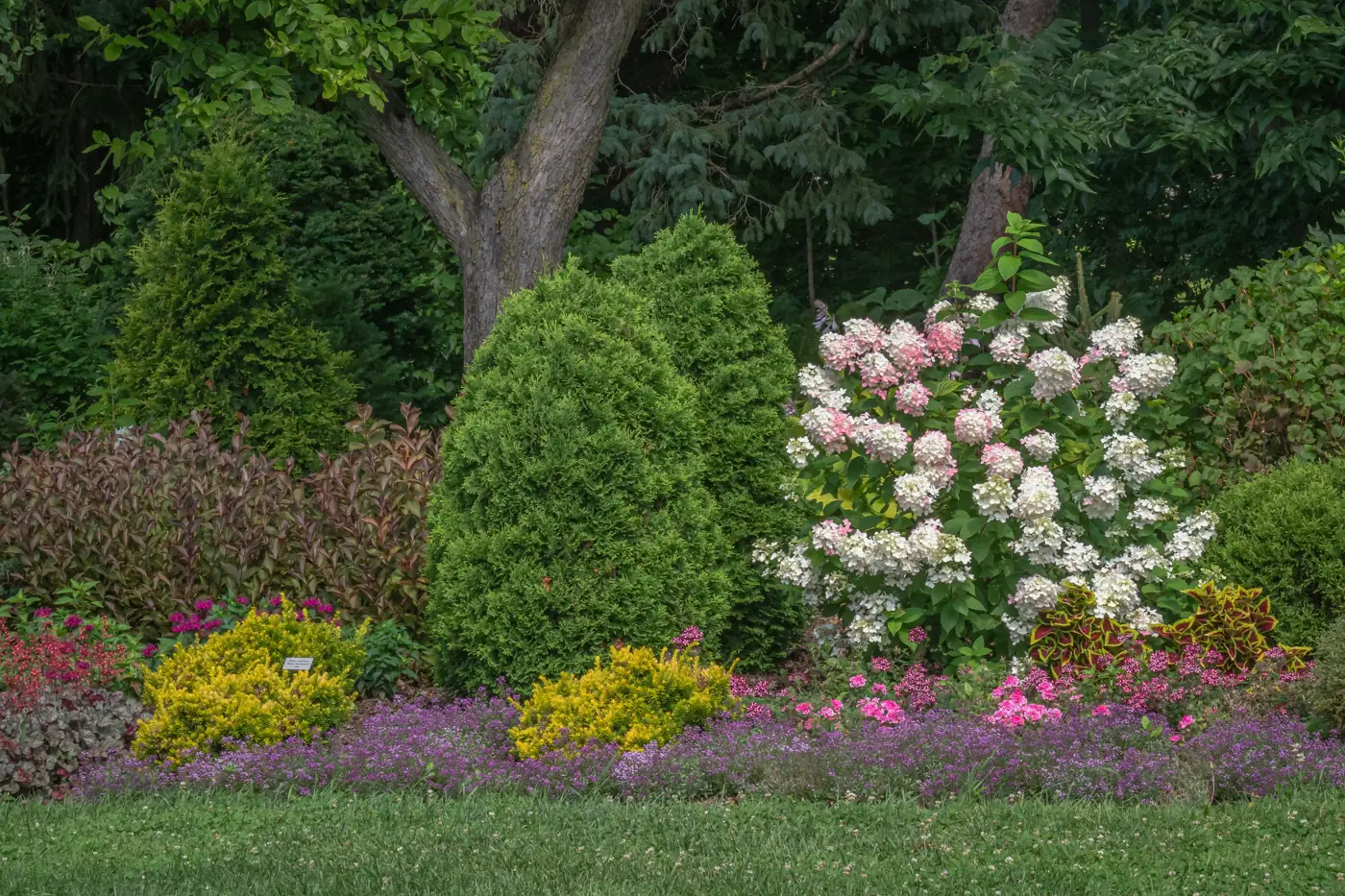
What counts as shade in a UK garden?
Shade is not one single thing. A border that gets morning sun then afternoon shadow behaves very differently from the permanent gloom under a dense evergreen tree. Knowing your type of shade is the first step to picking garden plants that will settle in and grow well.
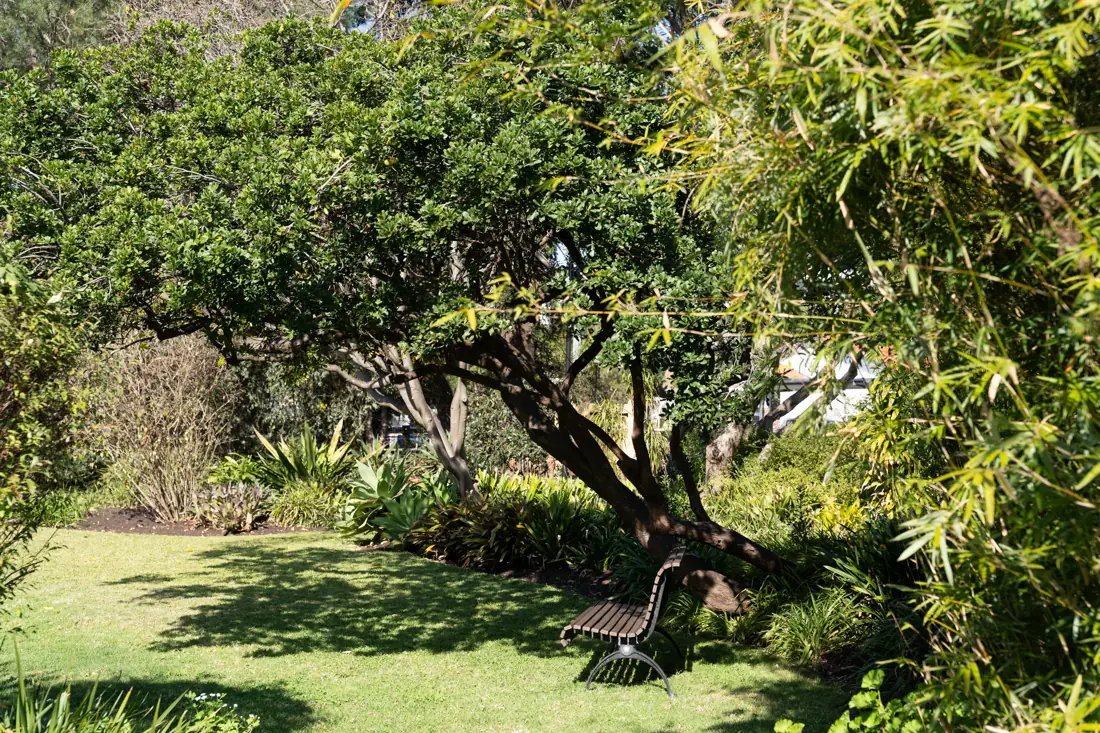
Dappled shade or light shade is the speckled light you get under open trees like silver birch or through a pergola with climbing plants. The light shifts through the day and many shrubs, including pieris and rhododendrons, flower beautifully here.
Partial shade means the spot gets direct sun for three to six hours a day, often in the morning or late afternoon. A bed beside a fence or wall that faces east or west is a classic example. Euonymus, hebes and some azaleas do well in partial shade.
Full shade is the trickiest. This is a north-facing wall, a narrow alley between houses or the ground beneath a thick evergreen canopy where the sun rarely reaches. Few plants flower heavily in full shade, but evergreens such as English yew, cherry laurel and holly will grow steadily and give you year-round structure.
Dry shade sits under large trees or beside thirsty hedges where roots steal moisture and nutrients. Even shade-tolerant plants struggle here unless you improve the soil with organic matter and water regularly while they establish. We cover dry shade in more detail later in this guide.
What plants do well outside in the shade?
Outdoor plants for shade fall into a few reliable groups: evergreen shrubs for structure, flowering shrubs for seasonal colour, and smaller plants for the front of a border or pots. The key is matching the plant to the depth of shade you have.
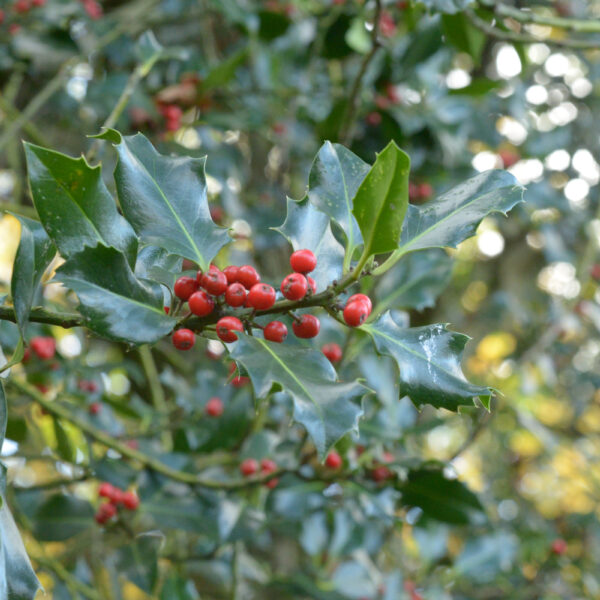
For full shade, lean on evergreens. English holly hedging brings glossy, spiky leaves that catch what little light there is. Cherry laurel and Portuguese laurel both form dense, dark green screens in deep shade and are tough enough for new-build gardens with poor soil. Yew is the classic choice for a formal hedge or clipped shape in even the darkest corner.
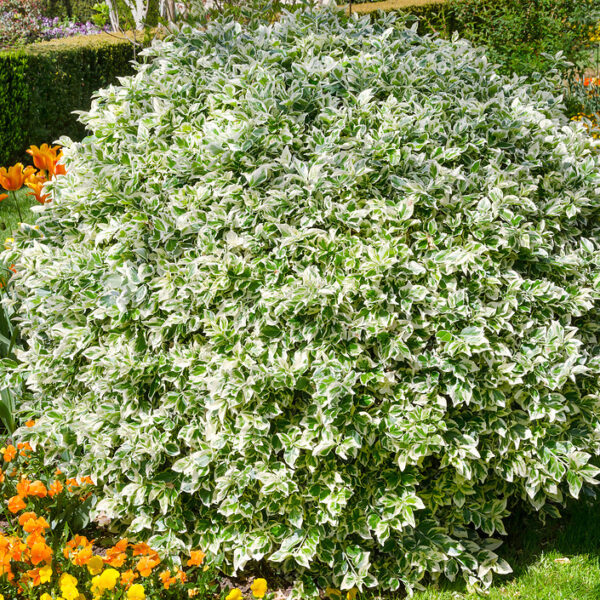
Partial shade gives you more planting options. Euonymus Emerald Gaiety has green leaves edged in creamy white, while Emerald 'n' Gold has golden-yellow margins that are usually brightest with some sunlight. Hebe Red Edge has grey-green foliage with narrow reddish margins, but it needs a reasonably bright position for compact growth and good flowering. Mixed hebes are better placed in a border or container that receives several hours of sun rather than a deeply shaded corner.
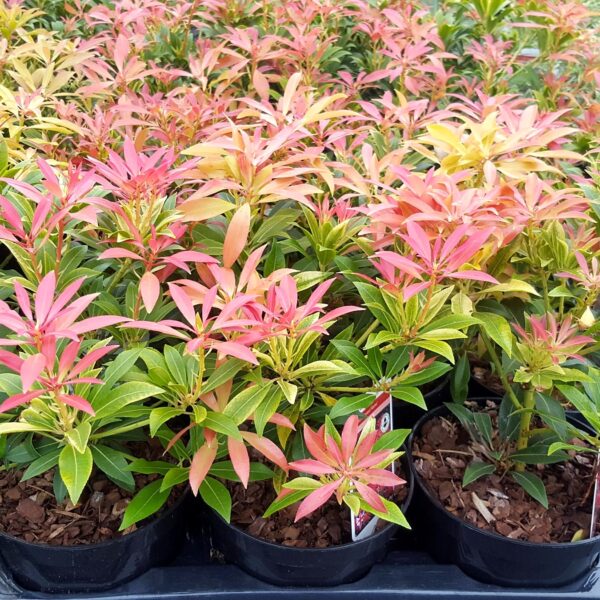
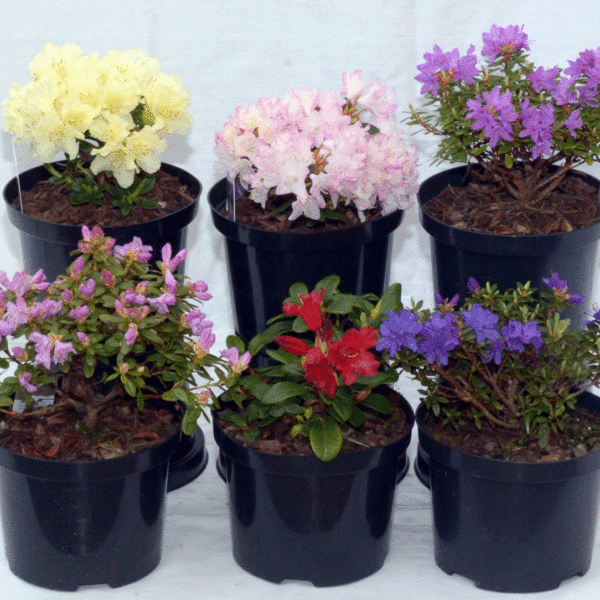
Dappled shade suits the real show-offs. Pieris Forest Flame and Pieris Mountain Fire produce fiery red new growth in spring, followed by clusters of white flowers. Dwarf evergreen azaleas and mixed Japanese azaleas smother themselves in pink, red, orange or white blooms in April and May. Dwarf rhododendrons bring big, bold flowers in a compact shape that works in smaller gardens.
For a patio with limited direct sunlight, choose plants according to how bright the position remains throughout the day. Some dwarf conifers tolerate light shade, but their requirements vary between varieties. Wilma Goldcrest, with its yellow-green foliage and lemon scent, needs good light to retain its colour and grow densely. French lavender Bandera Purple is a sun-loving plant and should be reserved for a warm, bright container rather than a shaded patio.
Which plants can grow in full shade?
Full shade, where the sun rarely if ever falls directly on the soil, narrows the plant list but does not empty it. The best performers are evergreens that evolved to live on woodland floors or in deep valleys.
English yew is the standout. It grows slowly but steadily in full shade, forming a dense, dark green hedge or specimen shape. Holly hedging does the same, with the bonus of red berries on female plants if you have a male nearby. Cherry laurel and Portuguese laurel both tolerate deep shade and grow faster than yew, making them useful for screening an overlooked north-facing boundary.
Box hedging will grow in full shade, though it is slower than in sun. Green beech hedging holds its copper-brown leaves through winter and works in shade, but it is not evergreen. Leylandii and Castlewellan Gold will grow in shade but become leggy and thin; they are better in sun.
Few compact shrubs flower freely in full shade, so foliage is usually the better focus. Euonymus Emerald Gaiety can cope with a relatively shaded position, although its variegation is clearer where it receives some daylight. Emerald 'n' Gold needs more light to maintain its strongest golden colouring. Mixed dwarf conifers vary in shade tolerance, so check the individual varieties before placing them beneath dense trees or against a permanently shaded wall.
In full shade, avoid plants that need sun to flower well, such as heathers and lavender. They will survive but produce few flowers and become straggly.
Shop the plants in this guide
Here are the shade-loving plants from our range that suit UK gardens, from deep shade evergreens to dappled-shade flowering shrubs.
What garden plants do well in full shade?
This is the question most gardeners ask when they look at a dark corner and wonder if anything will grow. The answer is yes, but you need to choose plants that naturally cope with low light levels.
Shrubs for full shade: English yew, holly, cherry laurel, Portuguese laurel and box hedging all form the backbone of a shady planting scheme. They give you height, screening and year-round greenery.
Evergreens for shaded positions: Euonymus Emerald Gaiety brings cream-edged foliage to a border with some indirect daylight, while Emerald 'n' Gold develops its best yellow colouring in brighter conditions. Wilma Goldcrest and many dwarf conifers need good light and are poor choices for permanent deep shade. Where little daylight reaches the ground, yew and established holly are more dependable options.
Flowering plants for full shade: This is harder. Pieris and rhododendrons will grow in full shade but flower poorly. Azaleas need at least dappled light to bloom well. If you want flowers in deep shade, underplant shrubs with shade-tolerant perennials like ferns, hostas and hellebores, which are not part of our range but are widely available.
Low hedging in shade: Cherry laurel and Portuguese laurel can form evergreen boundary hedges, but both grow into substantial shrubs unless regularly pruned. They are unsuitable as a low ground-cover carpet. Holly can also be clipped into a low hedge, although growth will usually be slower in heavily shaded positions. For actual ground cover, consider shade-tolerant perennials suited to the soil conditions.
What plants grow in shade and no sun?
When a spot gets no direct sun at all, you need plants that are adapted to low light. The best outdoor plants for these conditions are evergreen shrubs that photosynthesise efficiently even in gloom.
Yew is the top choice for no-sun spots. It will grow steadily, stay dense and can be clipped into a hedge or topiary shape. Holly is a close second, with the added benefit of berries if you plant a male and female.
Cherry laurel and Portuguese laurel are the fastest options for a no-sun screen. They produce large, glossy leaves that catch every bit of available light. Plant them 60cm to 90cm apart for a hedge that fills in within a few years.
For lower planting, Euonymus Emerald Gaiety and Emerald 'n' Gold are reliable. Their variegated leaves brighten dark corners. Mixed dwarf conifers offer a range of greens, blues and golds in compact shapes that need no sun to look good.
Avoid flowering shrubs like azaleas, rhododendrons and pieris in no-sun areas. They may survive but will not flower. Stick to evergreens for structure and use shade-loving perennials for seasonal colour at ground level.
Does rhododendron like shade?
Rhododendrons like dappled shade best. In the wild, they grow on the edges of woodlands where sunlight filters through the tree canopy. Too much deep shade and they produce fewer flowers; too much hot sun and their leaves can scorch.
In UK gardens, plant dwarf rhododendrons and mixed Japanese azaleas where they get morning sun or shifting light through the day. A bed under a deciduous tree is ideal because they get light in spring when they flower, then shade in summer when the tree is in leaf.
Rhododendrons must have acid soil. If your garden soil is neutral or alkaline, grow them in pots filled with ericaceous compost. They also need consistent moisture, so mulch around the roots in spring and water in dry spells.
Full shade is too dark for good flowering. If your only shady spot is deep shade, choose yew, holly or laurel instead.
How to plant shade-loving shrubs step by step
Planting garden plants for shade follows the same basic method as planting any shrub, but a few extra steps make a big difference in low light. Shady spots are often drier and have more competition from tree roots, so preparation matters.
Follow these steps to give your new plants the best start.
- Clear weeds and debris by hand, taking care around established tree roots. Avoid cutting or removing substantial roots, which can weaken or destabilise the tree. Where roots are dense, use small planting pockets between them or grow shrubs in containers rather than digging extensively.
- Dig a hole roughly twice as wide as the rootball but no deeper than its existing root depth. Loosen compacted soil around the sides so new roots can spread. On heavy clay, improve drainage across the planting area rather than creating a deep hole that may collect water.
- Mix the dug-out soil with organic matter such as leaf mould, composted bark or well-rotted manure. This improves drainage and water retention.
- For rhododendrons, azaleas and pieris, use ericaceous compost as the organic matter if your soil is not naturally acid.
- Sprinkle a little RHS Rootgrow mycorrhizal fungi into the planting hole and onto the roots. This helps the plant establish faster, especially in poor or dry soil.
- Place the plant in the hole so the top of the rootball sits level with the surrounding soil. Backfill with the improved soil and firm gently with your hands.
- Water thoroughly, even if rain is forecast. A full watering can settles the soil around the roots.
- Spread a 5cm to 8cm layer of mulch around the plant, keeping it away from the stem. Mulch locks in moisture and suppresses weeds.
- In dry shade, water every week for the first growing season, more often in hot weather.
Spacing and sizing for shade plants
How far apart you plant depends on whether you want a hedge, a group of shrubs or single specimens. The table below gives a quick guide for the plants we recommend for shade.
For hedges, closer spacing gives you a denser screen faster. For individual shrubs, give them room to reach their natural width without crowding.
| Plant | Use | Spacing |
|---|---|---|
| English yew | Hedge | 30cm to 50cm apart |
| Holly | Hedge | 30cm to 45cm apart |
| Cherry laurel | Hedge | 60cm to 90cm apart |
| Portuguese laurel | Hedge | 60cm to 90cm apart |
| Box hedging | Low hedge | 15cm to 20cm apart |
| Euonymus Emerald Gaiety | Shrub or low hedge | 60cm to 90cm apart |
| Pieris Forest Flame | Specimen shrub | 1m to 1.5m apart |
| Dwarf rhododendron | Group or border | 80cm to 1m apart |
| Dwarf azalea | Group or border | 60cm to 80cm apart |
| Mixed dwarf conifers | Group or pots | 50cm to 1m apart depending on variety |
Watering and feeding shade plants
Shade plants often need more attention to watering than those in sun, especially in dry shade under trees. The soil can stay damp on the surface but be bone dry a few centimetres down.
Water new plants deeply once a week in their first year. In hot, dry spells, check the soil with your finger and water if it feels dry. Established shrubs in shade need less water but still appreciate a soak during long dry periods.
Feeding keeps shade plants healthy and encourages flowering. In spring, sprinkle a general-purpose slow-release fertiliser around the base of evergreens like yew, holly and laurel. For acid lovers such as pieris, rhododendrons and azaleas, use an ericaceous plant food in March and again after flowering.
Mulching every spring with leaf mould, composted bark or garden compost feeds the soil, conserves moisture and keeps roots cool. It is the single best thing you can do for plants in dry shade.
Pruning and trimming shade shrubs: a month-by-month guide
Most shade-tolerant shrubs need little pruning beyond removing dead or damaged wood and shaping to keep them tidy. The table below shows when to tackle each type.
Hedging plants like yew, holly and laurel need regular trimming to stay dense. Flowering shrubs like pieris and rhododendrons are best pruned lightly after they finish blooming.
| Month | Task |
|---|---|
| March to April | Lightly trim pieris and rhododendrons after flowering if needed. Remove frost-damaged shoots from all evergreens. |
| May to June | Trim laurel hedges. Lightly shape euonymus and hebes if they look untidy. |
| July to August | Trim yew and holly hedges. Avoid cutting in hot, dry weather. |
| September to October | Last trim for laurel and fast-growing hedges. Lightly shape conifers. |
| November to February | Leave pruning alone. Tidy broken branches after storms but avoid major cuts in frosty weather. |
Common problems and fixes for shade plants
Shady gardens come with their own set of challenges. Here are the most common problems and how to sort them.
Yellowing leaves on rhododendrons, azaleas and pieris: This is often lime-induced chlorosis, where the plant cannot take up iron because the soil is too alkaline. Grow them in pots of ericaceous compost or feed with a chelated iron tonic.
Leggy growth on laurel or holly in deep shade: These plants naturally stretch towards light. Prune back hard in spring to encourage bushier growth. For hedges, trim little and often through the growing season.
Powdery mildew on euonymus: This white coating on leaves appears in dry soil and poor air circulation. Water at the base, mulch well and thin out overcrowded stems to let air flow.
Vine weevil damage on pieris and rhododendrons: Notches in leaf edges are a telltale sign. The grubs eat roots and can kill plants. Use nematode drenches in late summer and autumn.
Poor flowering on azaleas and rhododendrons: Usually too much shade or pruning at the wrong time. Move pots to a brighter spot or prune only straight after flowering.
Safety and the law: what to know about shade plants
Several common shade-tolerant shrubs are poisonous if eaten and need careful positioning around children, pets and livestock. Cherry laurel and Portuguese laurel contain toxic compounds, particularly in their leaves and seeds. Yew is highly poisonous, including its foliage and seeds, so it should never be suggested as a safer alternative where children or animals may eat plants. Holly berries can also cause illness if swallowed. If young children or pets regularly chew garden plants, check the toxicity of each species before planting and choose a safer alternative where necessary.
Yew is poisonous if eaten, particularly the seeds inside the red berries. The flesh of the berry is harmless, but the seed is not. Plant yew away from grazing livestock and teach children not to eat any part of it.
There are no specific laws against growing these common garden shrubs, but boundary hedges come under the Anti-Social Behaviour Act if they grow too tall and block light. Keep hedges trimmed to a reasonable height and talk to neighbours if a shady hedge is causing problems.
Design ideas for shady gardens
A shady garden can be a cool, calm space that feels like a woodland glade. Use evergreens to build a backbone of green, then layer in flowering shrubs for seasonal highlights.
In a small town garden with a north-facing wall, plant a yew hedge along the boundary for a smart, formal backdrop. Underplant with euonymus Emerald 'n' Gold for a splash of gold variegation. Add a pot of Wilma Goldcrest by the door for a bright, citrusy scent.
For a family garden with a shady corner under a big tree, create a woodland border. Plant pieris Forest Flame at the back for spring colour, dwarf rhododendrons in the middle and dwarf azaleas at the front. Mulch the whole area with bark chippings to keep moisture in and weeds down.
On a shady patio, group pots of mixed dwarf conifers and hebes for year-round interest. Use large containers filled with ericaceous compost for a dwarf rhododendron or azalea that you can move into the light when it flowers.
In a new-build plot with a narrow, shaded side return, plant a Portuguese laurel hedge to screen the fence. It grows quickly, stays glossy green and copes with the low light between houses. Underplant with box hedging for a neat, low edge.
Where to buy shade plants online
Buying garden plants for shade online is straightforward when you know what to look for. Choose a supplier that offers a range of sizes and root types so you can pick what suits your budget and planting timeline.
For a shaded hedge, English yew is available in 20-40cm potted plants, 40-60cm bare root plants and 60-80cm or 80-100cm rootball plants. Cherry laurel comes in 40-60cm plants in 9cm pots and 60-90cm or 90-120cm plants in 2 litre pots. For lighter shade, Pieris Mountain Fire and Pieris Forest Flame are available as individual plants in 2 litre pots, alongside mixed dwarf rhododendrons and Japanese azaleas in specified multipacks. Compare the exact plant height, pot size and root type before choosing, as these affect both the initial appearance and planting requirements.
When you buy plants online, check the plant size and pot volume carefully. A 9cm pot is a young plant that needs growing on, while a 2 litre pot gives you a more established shrub that fills out faster. Bare root plants are cheaper and lighter to post but only available from November to March.
Ordering online means your plants arrive at your door, ready to go into the ground. Unpack them as soon as they arrive, water if the compost feels dry, and plant within a few days if possible.
Common questions
What garden plants do well in full shade?
English yew, holly, cherry laurel and Portuguese laurel all thrive in full shade. They form dense, evergreen screens or hedges with very little light. Euonymus and dwarf conifers also cope well and add variety.
What plants do well outside in the shade?
For outdoor shade, choose evergreens like yew, holly and laurel for structure, and flowering shrubs like pieris, azaleas and rhododendrons for dappled or partial shade. Hebes and euonymus work well in pots and borders with a few hours of sun.
Which plants can grow in full shade?
Yew, holly, cherry laurel, Portuguese laurel and box hedging are the best shrubs for full shade. They stay green and healthy without direct sun. Flowering is limited, so focus on foliage and form.
What plants grow in shade and no sun?
Yew and holly are the top choices for spots with no direct sun. Cherry laurel and Portuguese laurel also grow well and are faster for screening. Euonymus and dwarf conifers add colour and texture without needing sunlight.
Does rhododendron like shade?
Rhododendrons like dappled shade best. Too much deep shade reduces flowering, and full sun can scorch leaves. Plant them under deciduous trees or in pots you can move into gentle light.
Where can I buy plants for shade?
You can buy shade-loving plants online from specialist nurseries like Plants for Garden. Look for a range that includes evergreens, flowering shrubs and hedging, with clear pot sizes and planting advice.
Where do you buy plants for shady gardens?
Plants for Garden sells a wide range of shade-tolerant shrubs, from yew and holly to pieris and azaleas. Order online and choose from different pot sizes and multipacks to suit your garden.
Where to buy garden plants for shade?
Buy garden plants for shade online at Plants for Garden. We stock evergreens, flowering shrubs and hedging plants that cope with full, partial and dappled shade, with delivery across the UK.