Calluna and Erica collection
£16.99 per pack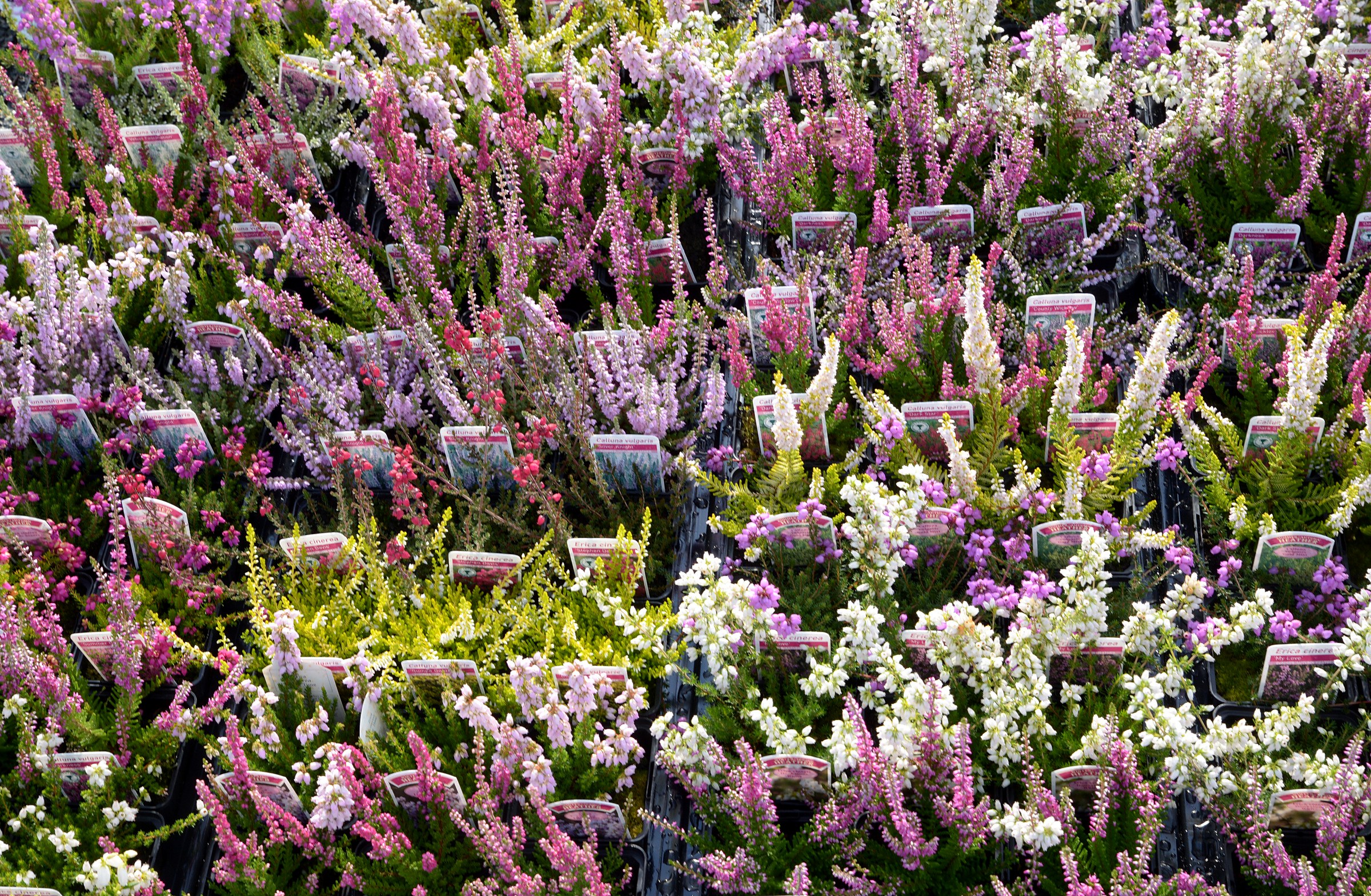
- UK Nursery Grown
- Grow Guarantee
Mixed Garden Heathers for Sale: Calluna and Erica Collection
Calluna and Erica collection
£16.99 per pack
Mixed garden heathers bring fine evergreen foliage and small, bell-shaped flowers to sunny borders, rock gardens and patio pots. Their colours and flowering periods vary across the collection. Most prefer acidic, well-drained soil or ericaceous compost, although some Erica species tolerate lime, so check individual planting requirements where possible.
- Mixed Calluna and Erica heathers
- Compact evergreen foliage
- Varied seasonal flower colour
1. How would you like it supplied?
Grown and sent in a pot, so you can plant it in any month when the soil is not frozen or waterlogged. Ask us a question
Pots, bare root and rootball
- Bare root
- Arrives with bare roots and little soil. Keep them damp and plant while the weather is cool.
- Rootball
- Arrives with soil wrapped around the roots. Lift it by the soil ball rather than the stems and plant as directed.
- Potted
- Comes in a nursery pot. Each option shows the pot size and the height you will receive.
2. Pick your plant
Not sure which shrub to pick?Tell us about your garden and we will help you choose
Position
Sun or light partial shade
Soil
Acidic, well-drained soil or ericaceous compost
Supplied size
9cm pot
Ordering
Order from 1 pack
Description
Mixed Garden Heathers for Sale: Calluna and Erica Collection
What are mixed garden heathers?
Heathers are low-growing evergreen shrubs with fine, needle-like or scale-like foliage and masses of tiny bell-shaped flowers. This mixed collection brings together Calluna vulgaris (ling) and Erica species, so you get a blend of leaf textures, colours and flowering seasons in one pack. The plants form low, spreading mounds with foliage that may be green, bronze or golden depending on variety and season. Flowers can range from white and pale pink to deeper pink and purple, creating patches of colour as different plants come into bloom.
Because the pack contains a mix, you will see different habits and bloom times across the group. Some flower in late summer and autumn, others in winter or early spring. Grouping plants with different flowering periods can extend the seasonal display, although the exact sequence depends on the varieties supplied.
Why choose a mixed heather collection?
Plant heathers in irregular groups rather than rigid rows to bring out their different foliage textures and flower colours. Spaced about 30 to 40cm apart, they gradually grow together into low, spreading patches that help reduce bare soil. Along a sunny path, keep the outer plants far enough from the paving to allow their branches to spread without being stepped on.
In a newly planted garden, heathers work well over prepared, free-draining ground where weeds have been thoroughly removed. Water them during establishment and trim lightly at the appropriate time for each flowering type. Once settled, most need only occasional watering in prolonged dry weather. Their compact size makes them ideal for pots on a patio, where you can enjoy the detail of the flowers up close.
How tall and wide do heathers grow, and how fast?
Eventual height and spread vary across the collection, but most Calluna and Erica heathers reach 20 to 50cm tall with a similar spread. They are naturally compact and slow to moderate in growth, typically putting on 5 to 10cm of new growth each year once established. This steady pace means they fill out a planting area over two to three growing seasons without becoming leggy or overwhelming neighbouring plants.
Regular light trimming after flowering helps keep them dense and stops the centres from opening up. In a border, allow roughly 30 to 40cm between plants so they can spread into a continuous low drift. In containers, you can plant a little closer for an instant full look.
Where and how to use heathers in your garden
Several heathers planted together create a low patchwork of fine foliage and small flowers, with individual plants gradually meeting as they spread. Use them at the front of a sunny border, along a pathway, or tucked around rocks in a rock garden. Their shallow roots and compact habit also make them well suited to troughs and wide, shallow pots.
In a family garden, a drift of heathers around a seating area or play lawn adds year-round structure without creating hiding places or blocking sightlines. Because they stay low, they work well underplanted beneath deciduous shrubs or small trees, as long as they still get plenty of light. Avoid planting them where taller, spreading plants will soon cover them.
Choosing a size: pack options compared
We supply mixed garden heathers in three pack sizes, all in 9cm pots. The table below helps you decide which pack suits your space and budget. A pack of six covers roughly 0.5 to 0.7 square metres when spaced at 30 to 40cm apart. Larger packs give you more plants to create a fuller display or cover a bigger area from the start.
All three pack options contain young plants in 9cm pots. Give the roots time to spread into the surrounding soil, keeping the area moist and free of weeds during the first growing season. Because this is a mixed collection, individual plants will vary in size and shape, which is normal and part of the natural character of the pack.
| Option | Supplied size | Pot or root | Best for | Plants per pack |
|---|---|---|---|---|
| 9cm pot | 6 plants | 9cm pot | Pot-grown | Small border patch or two patio pots | 6 |
| 9cm pot | 12 plants | 9cm pot | Pot-grown | Larger drift or several containers | 12 |
| 9cm pot | 18 plants | 9cm pot | Pot-grown | Filling a new heather bed or long border edge | 18 |
Growing and care
Planting and looking after it
When and how to plant heathers
You can plant pot-grown heathers at any time of year, as long as the ground is not frozen or waterlogged. Spring and early autumn are ideal, giving roots time to settle before summer heat or winter cold. Start by watering the pots thoroughly. Dig a hole slightly wider and the same depth as the rootball. Set the plant so the top of the rootball sits level with the surrounding soil. Backfill gently and firm in, then water well to settle the soil around the roots.
In containers, use a pot with drainage holes and fill it with ericaceous compost. Space plants about 20 to 25cm apart in a pot for a dense look. After planting, keep the compost evenly moist for the first few weeks while roots establish.
Spacing and how many plants you need
For a continuous ground-covering drift in open soil, space heathers 30 to 40cm apart. The table below shows how many plants you need for common planting lengths. Closer spacing fills in faster but may need more frequent trimming later.
If you are planting in a staggered double row for a wider block, roughly double the quantities shown.
| Planting length | Plants needed (30cm spacing) | Plants needed (40cm spacing) |
|---|---|---|
| 5 metres | 17 | 13 |
| 10 metres | 34 | 25 |
| 20 metres | 67 | 50 |
Watering and feeding
Keep the soil or compost moist but not soggy while plants establish, especially during the first summer. Some established heathers tolerate short dry spells, although Erica species and newly planted specimens may need more consistent moisture. Containers dry out faster than open ground and should be checked regularly during warm weather. Water at the base rather than over the foliage to reduce the risk of fungal problems.
Feed lightly in early spring with an ericaceous plant food. Avoid heavy feeding, which can encourage soft, leggy growth. A mulch of leaf mould or composted bark around the plants helps retain moisture and keeps the roots cool.
Trimming calendar and simple care
Light trimming keeps heathers compact and encourages fresh growth. The right time depends on when each plant flowers. As a general guide, trim summer-flowering Calluna in early spring, and winter or spring-flowering Erica after the flowers fade. Always cut back to just below the spent flower spikes, staying within green leafy growth. Avoid cutting into old, bare woody stems, as they rarely regrow well.
Remove any weeds that push up through the plants by hand, taking care not to disturb the shallow roots. Every few years, a light tidy-up trim in early spring helps rejuvenate older clumps that are starting to look open in the centre.
| Task | Timing |
|---|---|
| Planting | Year-round (avoid frozen or waterlogged soil) |
| Watering new plants | Regularly for first growing season |
| Feeding | Early spring |
| Trimming summer-flowering types | Early spring |
| Trimming winter/spring-flowering types | After flowering |
Plan planting for your soil Choose collection sizes Watering new plants and containers
Our planting guideMore growing help: RHS plant and growing guidance
Sizes and prices
Mixed garden heathers sizes, prices and minimum orders
| Option | Supplied height | Pot or root | Plants | Price | Minimum order | Availability |
|---|---|---|---|---|---|---|
| 9cm pot | 6 plants | – | 9cm pot | 6 | £16.99 per pack | None | Available |
| 9cm pot | 12 plants | – | 9cm pot | 12 | £28.99 per pack | None | Available |
| 9cm pot | 18 plants | – | 9cm pot | 18 | £38.99 per pack | None | Available |
Prices are for the option you select. Pack size is the number of plants you receive, and the minimum order is the smallest number we can send.
How sizes and quantities workDelivery
Delivery for your plant order
You will see delivery options and any charge in your basket before you pay.
Your plants are alive when they reach you, so open the box on the day, water if the compost feels dry and stand them somewhere sheltered until planting.
Delivery informationPlant questions
Good to know
Does heather come back every year?
Yes, heathers are evergreen perennial shrubs that live for many years. They keep their foliage through winter and produce new growth and flowers each season. A light trim after flowering helps them stay compact and vigorous. In very cold winters, some Erica types may lose a little foliage colour, but they green up again in spring.
Do heather plants spread?
Heathers spread slowly by growing outward from the centre, forming a low mat over time. Most varieties reach about 30 to 50cm across. They do not send out runners or become invasive. Planting them 30 to 40cm apart allows them to knit together into a continuous carpet within two to three years.
Does heather like shade or sun?
Heathers flower best in a sunny position. They will tolerate light partial shade, but too much shade leads to sparse growth and fewer flowers. In a small garden, choose a spot that gets sun for at least half the day. Avoid planting them where taller shrubs or fences cast deep shade for most of the day.
When to plant heather?
Pot-grown heathers can be planted at any time of year, provided the ground is not frozen or waterlogged. Spring and early autumn are the easiest times, as the soil is usually moist and temperatures are moderate. This gives roots a chance to establish before the stress of summer drought or winter cold.
How much ground or how many pots will a pack of 6 cover?
A pack of six heathers spaced 30 to 40cm apart covers roughly 0.5 to 0.7 square metres in open ground. In containers, six plants will fill two 30cm patio pots nicely when spaced about 20 to 25cm apart. For a larger drift or several pots, choose the 12 or 18 plant pack.
Do heathers need ericaceous compost?
Calluna and many Erica species prefer acidic soil, although some Erica, including winter-flowering lime-tolerant types, grow well in neutral or alkaline conditions. For an unidentified mixed collection, ericaceous compost is generally the safer container choice. On strongly alkaline ground, use pots rather than relying on a small addition of ericaceous compost to change the soil permanently. A soil pH test kit will tell you what you are working with before you plant.
Ask us about this plant