How to plant pieris japonica: a quick-start guide
Pieris japonica grows best in acidic, moisture-retentive but well-drained soil, with dappled shade and shelter from cold winds. Its evergreen leaves provide structure through winter, followed by hanging clusters of small, bell-shaped flowers in spring. The young foliage then emerges in vivid shades of red before maturing to green. Often called Japanese andromeda, pieris is particularly useful in sheltered borders and large containers where its new growth can be seen close up.
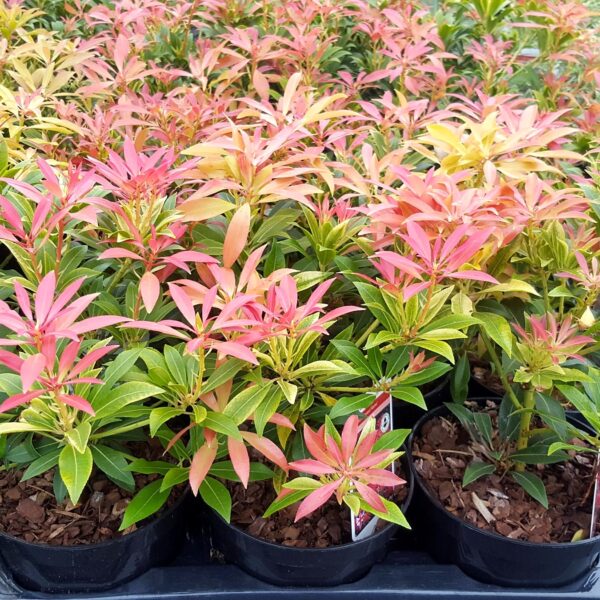
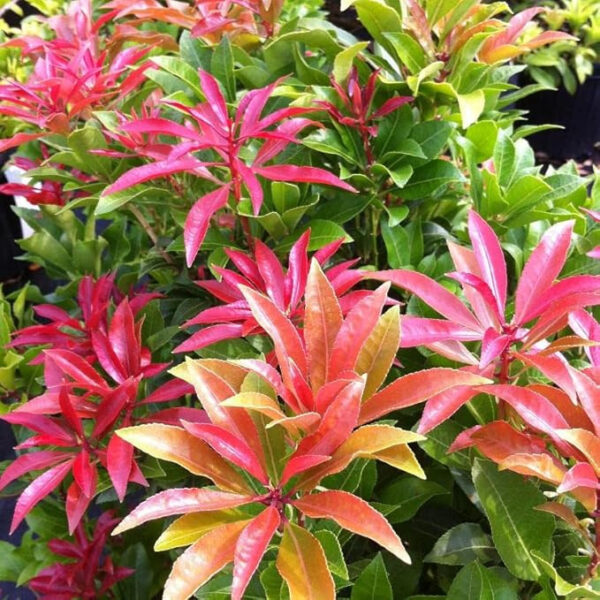
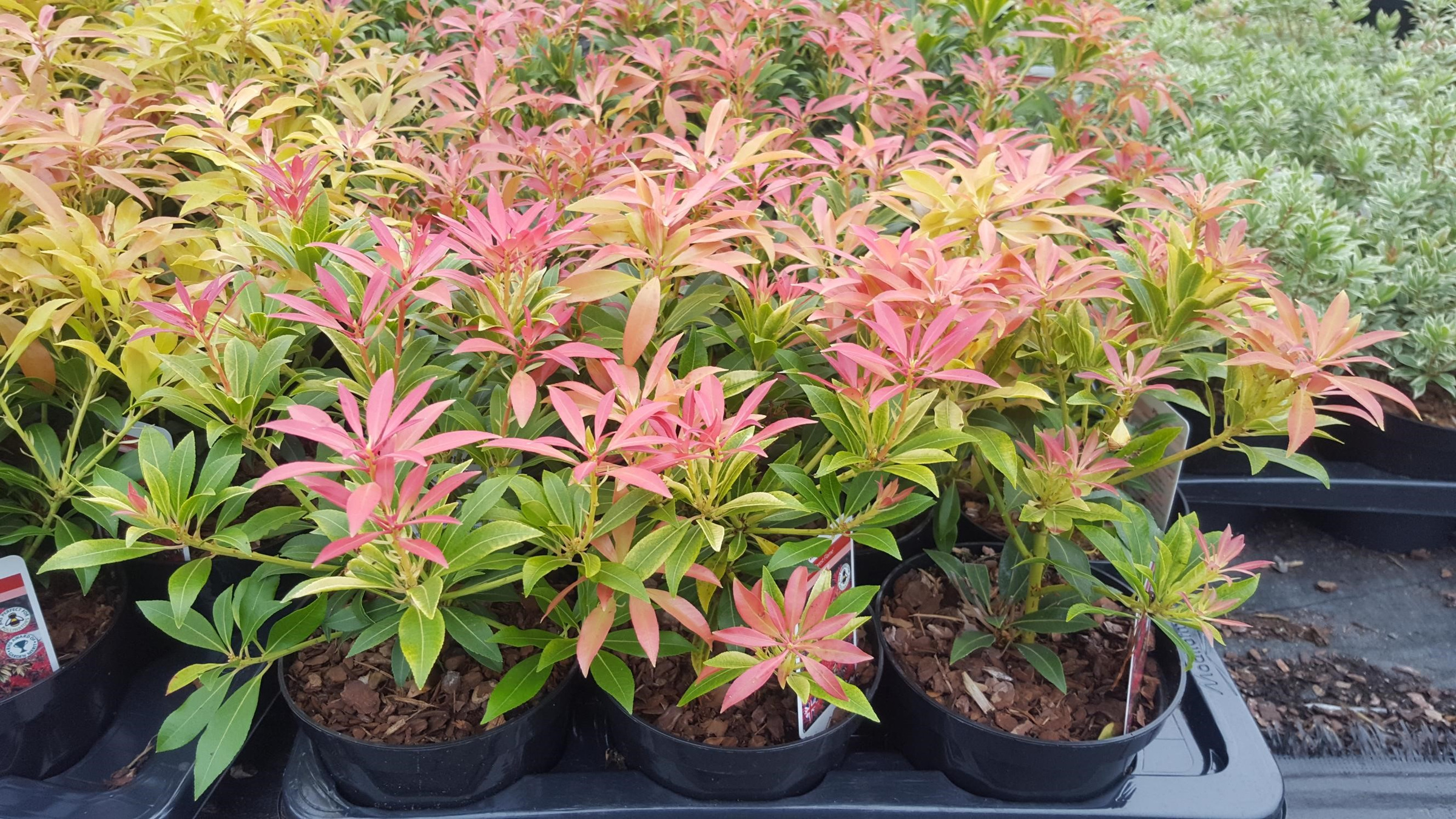
Our Pieris Forest Flame and Pieris Mountain Fire are both available as individual plants in 2 litre pots. Forest Flame is also offered in larger plant quantities. Both suit sheltered borders and large patio containers, although their eventual spread needs allowing for. Forest Flame is known for its changing leaf colours, while Mountain Fire produces rich red young foliage that matures to dark green.
| What to do | Quick details |
|---|---|
| Best planting time | Spring (March to May) or early autumn (September to October) |
| Light | Light or dappled shade; tolerates morning sun |
| Soil | Moist, well-drained, acidic (ericaceous) |
| Spacing in borders | Allow 90 to 120cm between plants |
| Pot size for containers | At least 40cm wide and deep, filled with ericaceous compost |
| Hardiness | Fully hardy in most of the UK (H5) |
| Toxicity | All parts are toxic if eaten; keep away from pets and children |
Where to plant pieris
Pieris do best in a position that mimics their native woodland edge habitat: light, dappled shade with shelter from cold winds. A spot under a tall, open tree or on the north or east side of a house often works well. Too much deep shade will reduce flowering and the red young growth may stay green, while hot afternoon sun can scorch the leaves.
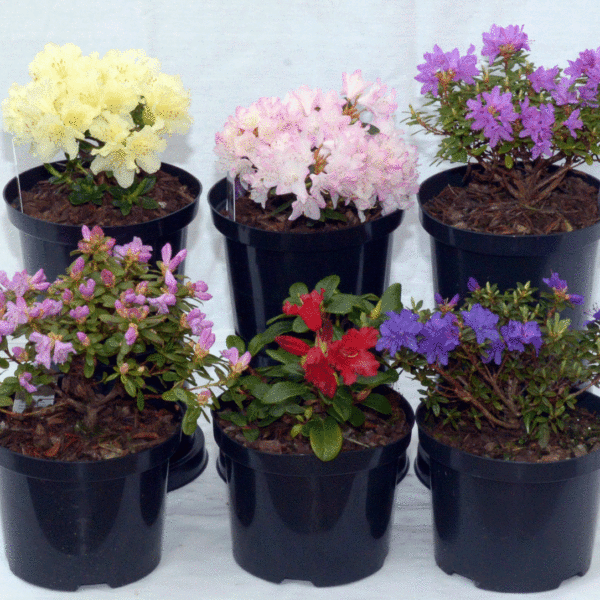
In a small town garden, try planting a single Forest Flame against a fence where it catches morning light but is shaded by mid-afternoon. In a new-build plot with an exposed boundary, use a temporary windbreak of horticultural fleece or a few taller shrubs while the pieris establishes. For companion planting, try dwarf evergreen azaleas or mixed Japanese azaleas, which enjoy the same acidic soil and sheltered, partly shaded conditions. Hebes generally prefer better drainage and do not need ericaceous compost, so place them elsewhere in the border if the ground conditions differ.
Soil and ericaceous compost for pieris
Pieris must have acidic soil, ideally with a pH between 5.0 and 6.0. If you garden on chalky or neutral clay, do not try to alter the existing soil: instead, grow your pieris in a large container filled with fresh ericaceous (lime-free) compost. In naturally acidic gardens, dig a broad planting hole two to three times the width of the rootball, keeping it no deeper than the existing root system. Improve the excavated soil with leaf mould or fine composted bark if it needs more organic matter. Avoid replacing all the surrounding soil with a different compost, and make sure water can drain away freely.
You can use RHS Rootgrow at planting time if you wish. It is supplied in 60g packs or 360g packs with gel. Follow the instructions for the amount to use and apply it directly to the roots, rather than scattering an arbitrary handful into the planting hole. Good soil conditions and regular watering remain essential for establishment. After planting, water thoroughly and spread a 5cm layer of bark chippings or leaf mould around the base, keeping the mulch clear of the stem. This locks in moisture and slowly feeds the soil as it breaks down.
If you are unsure of your soil pH, a simple home test kit from a garden centre will tell you in minutes. Pieris leaves turning yellow between green veins is a classic sign of lime-induced chlorosis, usually caused by alkaline soil or watering with hard tap water.
Growing pieris in pots
Pieris Forest Flame and Mountain Fire can both grow well in large containers, particularly where the garden soil is neutral or alkaline. Pots allow you to provide ericaceous compost without having to change the pH of the surrounding ground. Remember that both varieties can become substantial shrubs over time and will eventually need more root space. Choose a pot at least 40cm wide and deep with plenty of drainage holes. Fill it with ericaceous compost straight from the bag: do not add garden soil or a multi-purpose mix, as these can raise the pH over time.
Place the pot in a sheltered spot where it gets morning sun and afternoon shade. Container-grown pieris need more frequent watering than those in the ground, especially from April to September. Check the compost by pushing your finger in; if the top 2 to 3cm feels dry, water slowly until it runs out of the bottom. In hard water areas, use rainwater from a butt if you can, because repeated tap water can gradually make the compost less acidic.
Feed potted pieris with a liquid ericaceous plant food every two weeks from March to August. Repot into a slightly larger container every two to three years, or when roots begin to circle the inside of the pot. Top-dressing with fresh ericaceous compost each spring also helps keep the plant vigorous without the need for a full repot.
Pruning Forest Flame and other pieris
Pieris need very little pruning. The best approach is to remove any dead, damaged or crossing branches in late spring, just after the flowers have faded. This keeps the shrub open and healthy without sacrificing next year's blooms, which form on the previous season's growth.
If your Forest Flame has grown a bit leggy or too large for its spot, you can cut back up to one-third of the oldest stems right down to the base. This may encourage fresh shoots lower down, although older, weakened shrubs do not always respond well to hard cutting. Spread the work over two or three years, removing a few stems at a time and checking for healthy regrowth before continuing. Keeping some established foliage helps the shrub recover. Lightly trimming the tips after flowering can also make a bushier shape, but be aware you may lose some of the following spring's flower display.
- Remove dead, damaged or crossing branches in late spring after flowering.
- To reduce size, cut up to one-third of the oldest stems to the base over two to three years.
- Light tip-pruning after flowering can shape the plant but may reduce next year's blooms.
- Always use clean, sharp secateurs to make clean cuts just above a leaf or outward-facing bud.
Frost damage to red shoots
The bright red new growth that makes pieris so eye-catching is also its most vulnerable part. A late frost in April or May can blacken and shrivel the tender young leaves overnight. An established plant in a sheltered position will often recover, although repeated hard frosts can damage exposed growth and flower buds. The new red leaves are particularly tender, so even a hardy shrub may lose part of its spring display during a sudden cold spell.
To protect the red shoots, keep an eye on the weather forecast in spring. If frost is predicted, drape a double layer of horticultural fleece over the shrub the evening before and remove it in the morning once the temperature rises above freezing. For a pot-grown pieris on a patio, simply move the container against a house wall or into a cold porch or greenhouse for the night. If frost damage does occur, wait until all risk has passed, then snip off the blackened tips. New shoots will soon break from lower down the stems.
Forest Flame vs Mountain Fire: which pieris should I choose?
Both Pieris Forest Flame and Pieris Mountain Fire are compact, evergreen shrubs with white spring flowers and colourful new foliage. The main difference is in the leaf colour and eventual size. Forest Flame opens with brilliant red young leaves that fade through pink and cream to deep green, while Mountain Fire produces coppery-red new growth that matures to a rich, dark green.
Forest Flame may reach around 1.5 to 2.5 metres in height and 1 to 1.5 metres in spread over ten to fifteen years, depending on conditions. Mountain Fire is often described as more compact, although mature plants can also reach around 1 to 1.5 metres in height and spread, or more in favourable conditions. Allow room for either variety to develop rather than relying on regular hard pruning to restrict its size. Both are fully hardy and need the same acidic soil and sheltered, part-shaded position.
| Feature | Pieris Forest Flame | Pieris Mountain Fire |
|---|---|---|
| New leaf colour | Bright red, fading through pink and cream to green | Coppery-red, maturing to dark green |
| Eventual height | 1.5 to 2.5m | 1 to 1.5m |
| Eventual spread | 1 to 1.5m | 1 to 1.5m |
| Flowers | White, bell-shaped, in spring | White, bell-shaped, in spring |
| Best for | Mixed borders, specimen planting | Smaller gardens, large containers |
| Hardiness | Fully hardy (H5) | Fully hardy (H5) |
Pieris care calendar
A simple month-by-month routine keeps your pieris looking its best. The key tasks are watering in dry spells during the growing season, feeding with an ericaceous fertiliser in spring, and a light tidy after flowering.
| Month | What to do |
|---|---|
| January | Check pots are not waterlogged; shake heavy snow off branches. |
| February | Top-dress pots with fresh ericaceous compost; mulch borders if not done in autumn. |
| March | Start feeding with liquid ericaceous food; watch for late frosts and cover if needed. |
| April | Protect new red shoots from frost with fleece; increase watering in dry spells. |
| May | Enjoy the flowers; prune dead or damaged wood after flowering. |
| June | Water regularly, especially pots; feed every two weeks. |
| July | Keep soil moist; check for signs of drought stress (drooping leaves). |
| August | Last liquid feed; continue watering during hot, dry weather. |
| September | Plant new pieris; reduce watering as growth slows. |
| October | Mulch borders with bark or leaf mould; clean up fallen leaves around the base. |
| November | Move pots to a sheltered spot; check ties on any staked plants. |
| December | Minimal care; ensure pots do not dry out completely in mild spells. |
Common questions
Can pieris grow in full sun?
Pieris can cope with morning sun, but full afternoon sun often scorches the leaves and bleaches the colour from the new growth. In most UK gardens, light or dappled shade gives the best results. If a sunny spot is your only option, keep the soil consistently moist and be prepared to shade the plant with fleece during heatwaves.
Why are the leaves on my pieris turning yellow?
Yellowing between green veins is usually a sign of lime-induced chlorosis, caused by alkaline soil or watering with hard tap water. Check your soil pH and, if it is above 6.5, grow the plant in a pot of ericaceous compost instead. Using rainwater rather than tap water can also help prevent the problem.
How fast does pieris grow?
Pieris is a slow to moderate grower, typically putting on 10 to 20cm of new growth each year once established. In ideal conditions, a young Forest Flame might reach 1 metre tall within five to six years. Growth varies with soil acidity, moisture, light and winter exposure. A sheltered plant with healthy roots generally produces stronger new shoots than one struggling in alkaline soil or an exposed, drying position.
Is pieris poisonous to dogs and cats?
Yes, all parts of pieris contain grayanotoxins and are toxic if eaten. The leaves and flowers can cause vomiting, drooling and weakness in cats and dogs. If you have pets that like to nibble plants, position your pieris in a part of the garden they cannot reach, or choose a different shrub for a pet-friendly border.
When should I feed my pieris?
Feed pieris with a liquid ericaceous plant food every two weeks from March to August. For plants in the ground, you can also apply a slow-release granular ericaceous fertiliser in early spring and again in early summer. Stop feeding by the end of August so that any soft new growth has time to harden before winter.
Can I plant pieris next to rhododendrons and azaleas?
Yes, pieris, rhododendrons and azaleas all thrive in the same acidic, moisture-retentive soil and dappled shade. Planting them together creates a natural, woodland-style border with a long season of interest. Just make sure you give each shrub enough space: pieris needs about 90 to 120cm of room to develop its full shape.