What do you want from the hedge?
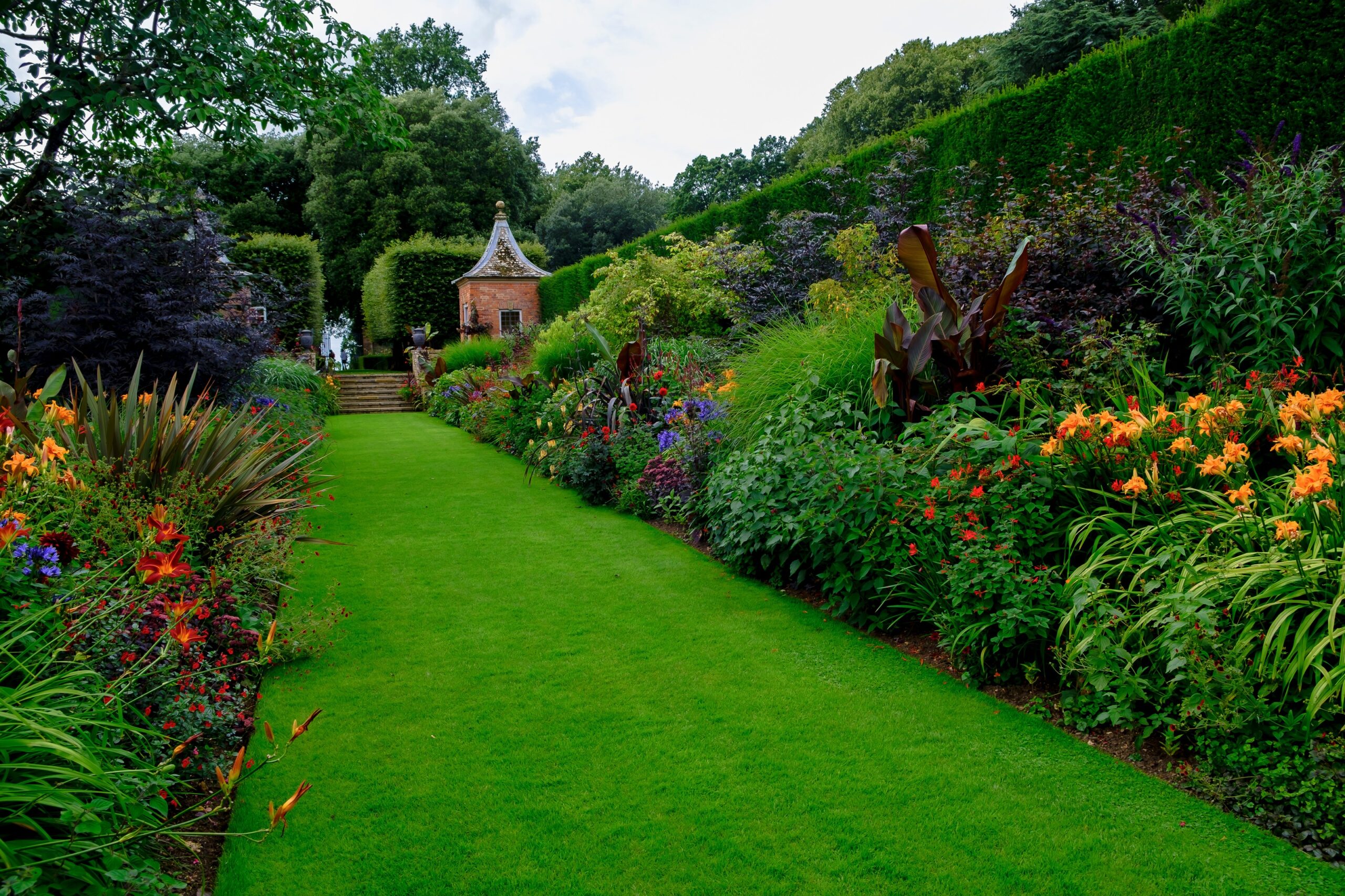
A low front boundary, a screen beside a patio and a divider in a vegetable garden each call for a different hedge. Start with the height and width you can maintain, then decide whether winter privacy, a formal outline or a softer seasonal appearance matters most.
Put those priorities in order before looking at individual plants. Fast growth is useful when you want a screen to develop, but it also means more trimming later. A prickly hedge may suit a boundary yet be awkward beside a narrow path. The best choice fits the way you use the garden.
Check the soil, light and exposure
Look at how much direct light reaches the planting line and how exposed it is to wind. The direction the garden faces is only part of the picture. Buildings cast shade, while mature trees can draw moisture from the soil even when the rest of the border looks damp.
Check the ground in wet weather if possible. Clay can support a hedge where drainage suits the plant, while sandy soil may need closer attention to watering. If the boundary stays saturated each winter, resolve the drainage or ask about plants suited to those conditions before ordering.
Do you need leaves through winter?
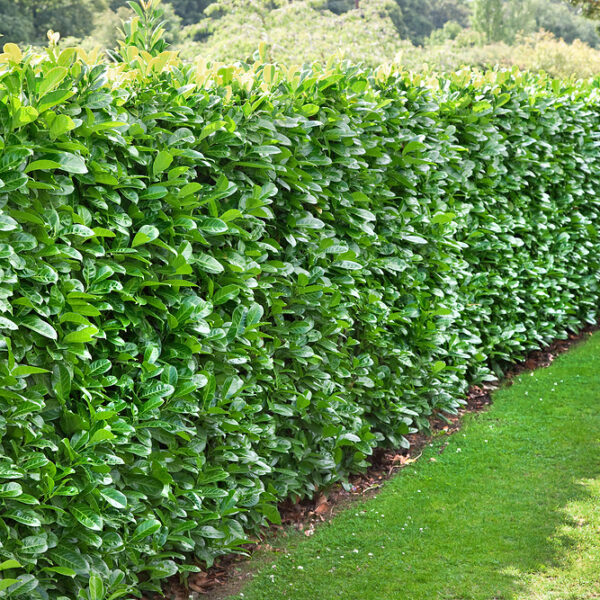
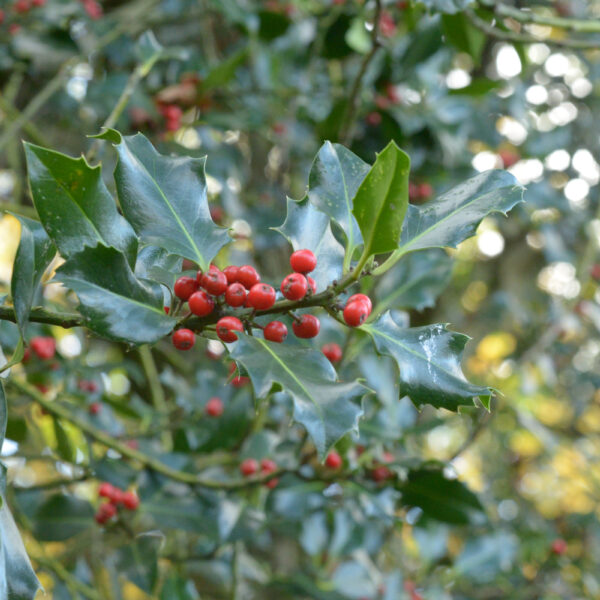
Evergreen garden hedges keep foliage through winter and are useful for screening throughout the year. Cherry laurel, Leylandii, holly and yew offer very different leaf textures and trimming requirements, despite sharing that evergreen habit.
Deciduous hedges change with the seasons and let more winter light through, although clipped beech can retain dry leaves. If native planting is a priority, check the species as well as its garden use. The term native describes its natural range; it does not tell you where an individual plant was grown.
Five hedges to compare
These familiar choices offer different foliage, growth and upkeep. Use the table to narrow your shortlist, then check the growing requirements and supplied sizes on each product page.
| Plant | Useful reason to consider it | Main planning question |
|---|---|---|
| Cherry laurel | Broad glossy evergreen leaves and a substantial leafy appearance | Is there enough room for the maintained width? |
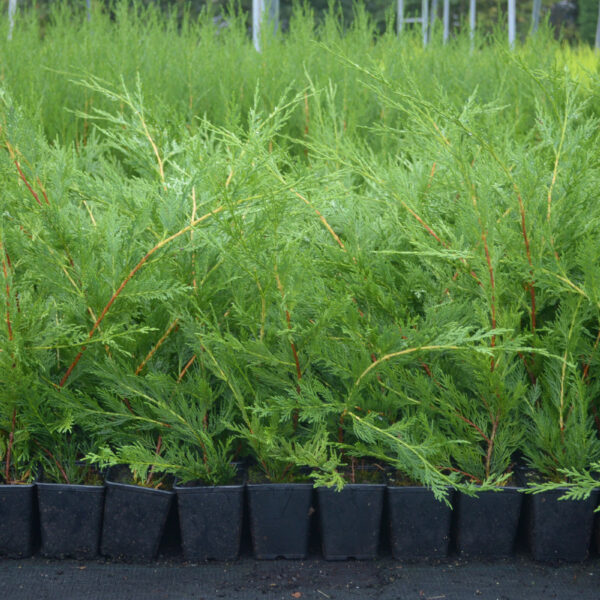
| Green Leylandii | Vigorous evergreen conifer growth | Can you keep up with regular trimming? |
| Holly | Spiny evergreen foliage and a traditional boundary character | Will the leaves be suitable beside the chosen path or entrance? |
| English yew | Dark foliage and a dense formal clipped finish | Does the soil drain freely enough? |
| Castlewellan Gold | Golden-toned conifer foliage | Does the lighter colour suit the rest of the planting? |
Be realistic about trimming
A fast-growing hedge can fill space sooner under suitable conditions, but its growth continues after it reaches the height you want. Consider the work the hedge will need over several years as well as its appearance after planting. Think about tool access, the length of the boundary and whether the upper edge will be easy to reach.
Most common conifer hedges cannot be cut into bare old wood and expected to recover. Yew is an important exception, but renovation still takes time. Choose the height you can maintain safely and keep the hedge within it, rather than relying on a major reduction later.
From shortlist to plant order
Once you have chosen the species, compare the root types and supplied sizes available. Smaller potted plants can keep a long run affordable when you have time for them to grow. Larger plants offer more height at the start, although their width and branching still affect how much of the view they cover.
Confirm the spacing, calculate the quantity and check the minimum order. Allow for soil preparation and aftercare in the budget. If you need help deciding, send us the run length, intended height and a description of the soil and light, with photographs where possible.
Shop laurel hedging Shop conifer hedging Ask about your boundary
Common questions
Which is the best hedge for every garden?
There is no single best choice. The right plant depends on the space, soil, light, exposure, intended height and the maintenance you can provide.
Is a fast-growing hedge always the best value?
Only if its eventual size and trimming needs suit the garden. Compare the whole project cost and ongoing work as well as the price per plant.
Can a mixed shrub collection make a matching hedge?
An assorted collection is intended to provide variety. For an even formal hedge, choose a named hedging plant and consistent supplied specification.