What is euonymus and which types grow best in UK gardens?
Euonymus is a large group of shrubs, small trees and climbers, but the ones you will spot in most UK gardens are the evergreen kinds. They belong to the spindle family and are sometimes called spindle bushes, though gardeners tend to use the botanical name. The two species you will meet most often are Euonymus fortunei and Euonymus japonicus.
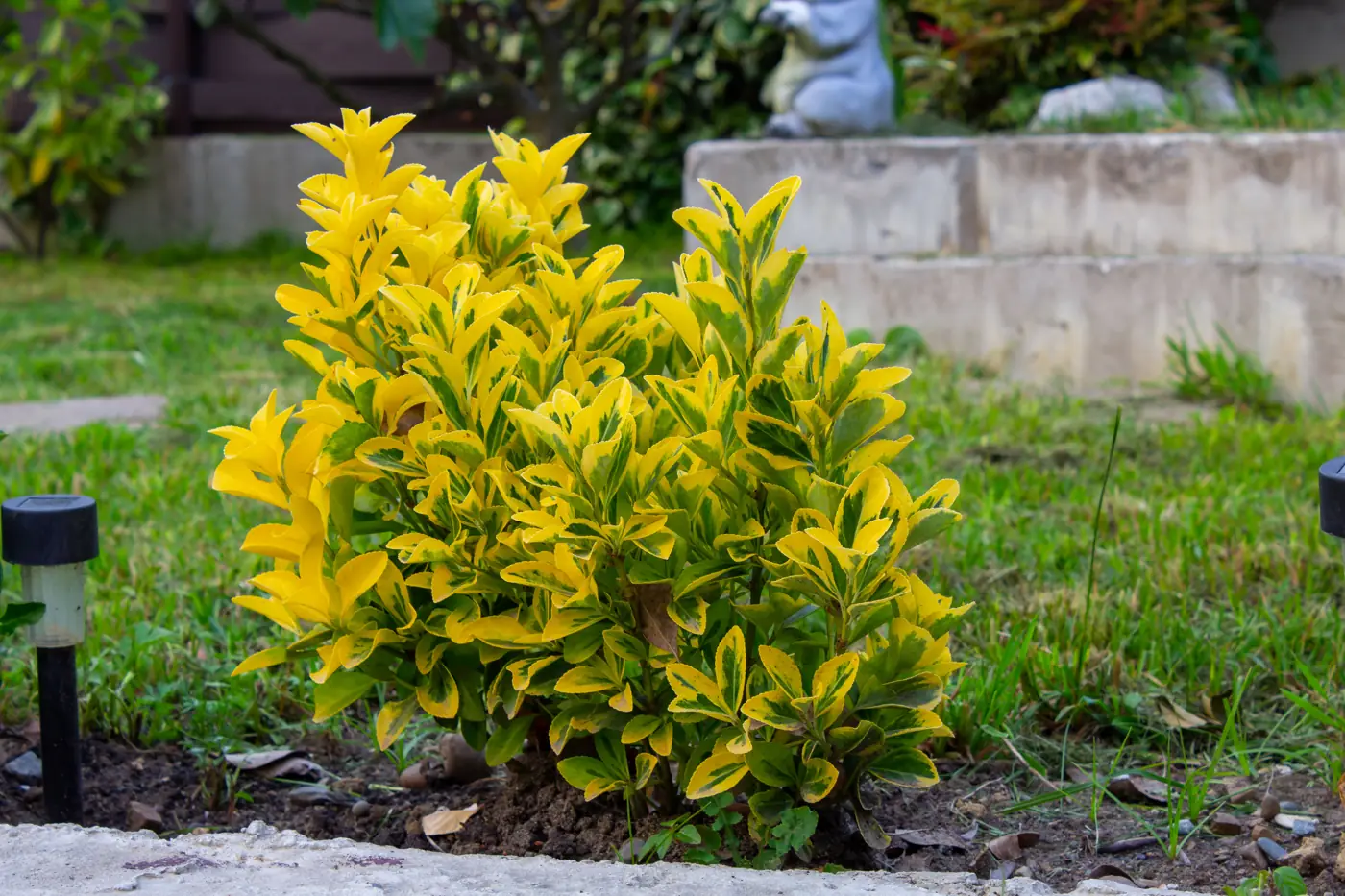
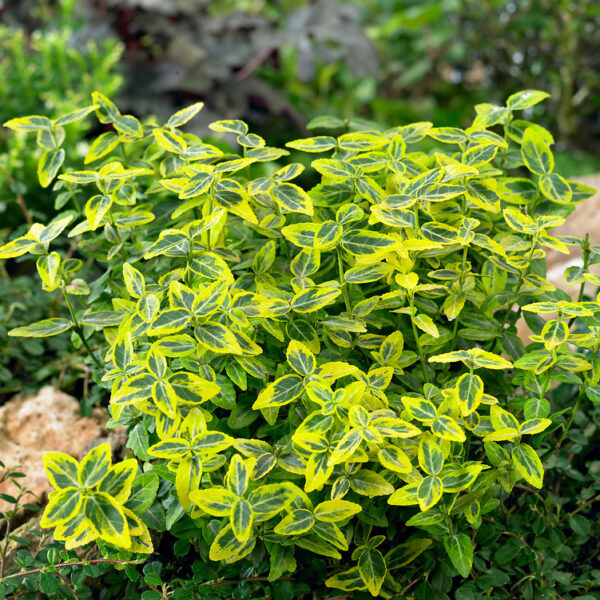
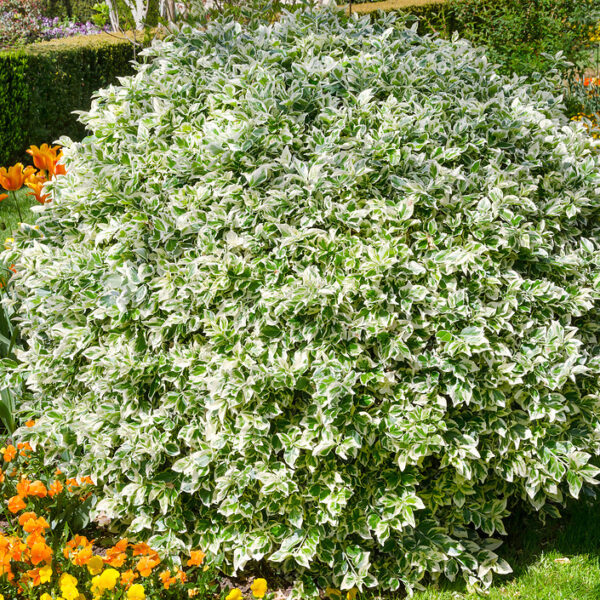
Euonymus fortunei is a low, spreading evergreen that naturally scrambles over the ground or climbs a wall if you plant it against one. The most popular garden varieties are Emerald Gaiety, with grey-green leaves edged in white, and Emerald 'n' Gold, with bright gold margins. Both stay compact, usually around 1m tall and wide, and take on pinkish tones in cold weather. They are ideal for small town gardens, front-garden borders and large pots on a patio.
Euonymus japonicus is a bigger, more upright evergreen, often used for hedging in coastal gardens because it stands up to salt-laden wind. The variety Green Spire is a favourite for a neat, narrow hedge, while plain green forms make a dense, glossy screen. These can reach 2m to 3m tall if left unpruned, so they suit larger gardens or boundary hedges where you want a bit of height.
The native spindle (Euonymus europaeus) is different. It loses its leaves in winter and is grown for its autumn colour and distinctive pink and orange fruits. For evergreen foliage, the two varieties available from Plants for Garden are Emerald Gaiety and Emerald 'n' Gold. Emerald Gaiety comes as one plant in a 2-litre pot. Emerald 'n' Gold is available as one plant in either a 9cm or 2-litre pot.
Will euonymus grow in shade?
Euonymus fortunei tolerates partial shade well, making Emerald Gaiety and Emerald 'n' Gold useful for north-facing borders and areas receiving filtered light beneath trees. Both retain their evergreen foliage, although growth may be slower and the leaf margins less colourful in heavily shaded positions. Avoid planting directly beneath dense tree canopies where the soil stays exceptionally dry and roots compete for moisture.
There is a trade-off. In deep shade the variegated types lose some of their brightness. The white or gold edges become less pronounced and the leaf colour can look a bit muted. For the crispest variegation, aim for a spot with a few hours of morning or afternoon sun. If your garden is heavily shaded all day, plain green Euonymus japonicus is a better choice because it stays a rich, glossy green without needing direct light.
In a new-build garden with a shady side return or a small courtyard that only catches light for part of the day, a pot of Emerald Gaiety by the back door will still look fresh. Just do not expect the same intensity of colour you would get in a sunnier spot.
How tall will euonymus grow?
The final height depends on the type you plant. Compact Euonymus fortunei varieties like Emerald Gaiety and Emerald 'n' Gold typically reach about 1m tall and 1m wide after ten years. They are naturally dense and bushy, so you do not need to prune them hard to keep them to size.
Euonymus japonicus is a different story. Left to its own devices, it can grow to 2m, 3m or even 4m tall. The narrow, upright Green Spire usually tops out around 2m to 2.5m, which makes it a good fit for a hedge that screens a ground-floor window without getting out of hand. Plain green japonicus can be kept at 1.5m to 2m with regular trimming, or allowed to grow taller as a dense background shrub.
For a low hedge, Emerald Gaiety and Emerald 'n' Gold can be clipped to maintain a tidy outline, although their spreading habit makes them better suited to informal edging than tall screening. Upright Euonymus japonicus varieties, including Green Spire, are more suitable for taller hedges. These are discussed here for comparison but are not part of our current euonymus range. Trim established hedges in late spring or early summer, keeping the base slightly wider than the top.
Shop the plants in this guide
Our Euonymus fortunei range includes Emerald Gaiety, with grey-green leaves edged in white, and Emerald 'n' Gold, with yellow-edged foliage that develops warmer tones in cold weather. Emerald Gaiety is supplied as one plant in a 2-litre pot. Emerald 'n' Gold is available as one plant in either a 9cm or 2-litre pot. Both suit borders, low informal edging and containers with drainage holes.
Does euonymus stay green all winter?
Yes, the evergreen euonymus varieties keep their leaves through winter. They do not drop them like deciduous shrubs, so your garden holds its structure even in the coldest months. That is one of the main reasons gardeners choose them for low hedges, winter pots and permanent planting schemes.
There is one seasonal change to expect. In cold weather, the leaves of Euonymus fortunei often develop a pink or bronze flush. Emerald Gaiety can look almost rosy by January, and Emerald 'n' Gold takes on warm coppery tones. This is completely normal and nothing to worry about. The pink tint fades as the weather warms up in spring and the plants return to their usual green-and-cream or green-and-gold look.
Euonymus japonicus tends to stay a steady dark green all winter, with little colour change. In a very harsh winter, exposed leaves may look a bit dull or wind-scorched, but the plant itself is hardy across the UK and will push out fresh new growth in spring.
Where to plant euonymus for the best results
Euonymus grows in full sun or partial shade and tolerates a range of garden soils. Emerald Gaiety and Emerald 'n' Gold generally develop their strongest variegation where they receive some direct sunlight. Both need reasonable drainage, particularly during winter. Avoid low spots where rainwater collects and remains for days, as prolonged waterlogging can damage the roots.
Soil-wise, euonymus copes with clay, chalk, sand and loam. It is not picky about pH either, so you can plant it in acid or alkaline ground without any special preparation. If your soil is heavy clay, dig in a bucket of garden compost or well-rotted manure before planting to open it up a bit. On very sandy soil, the same organic matter helps hold moisture around the roots.
Think about the microclimate in your garden. Euonymus japonicus is famously wind-tolerant, which makes it a go-to choice for seaside gardens where salt spray burns less hardy shrubs. In an exposed coastal plot, a Green Spire hedge will take the brunt of the weather and still look tidy. In a sheltered suburban garden, you can use the smaller fortunei types in more delicate planting combinations without worrying about wind damage.
How to plant euonymus step by step
Planting euonymus is straightforward for a single shrub or a whole hedge. The best time to plant pot-grown euonymus is spring or autumn, when the soil is moist and the weather is not too hot. You can plant in summer too, but you will need to water more often until the roots settle in.
Follow these steps for a strong start.
- 1. Water the plant in its pot about an hour before planting, so the rootball is damp all the way through.
- 2. Dig a hole twice as wide as the pot and the same depth. Loosen the soil at the bottom with a fork.
- 3. If your soil is poor, mix a spadeful of garden compost into the soil you have dug out. Do not use rich fertiliser at this stage.
- 4. Slide the plant out of its pot and gently tease out the roots if they are circling the rootball. This helps them grow out into the soil.
- 5. Place the plant in the hole so the top of the rootball sits level with the surrounding soil. Backfill around the roots and firm gently with your hands.
- 6. Water thoroughly to settle the soil around the roots. Give it a full watering can rather than a sprinkle.
- 7. Spread a 5cm layer of mulch, such as bark chips or leaf mould, around the base, keeping it away from the stems. Mulch locks in moisture and keeps weeds down.
Euonymus spacing and sizing: how many plants do you need?
Spacing depends on planting a single specimen, a group or a hedge. The table below gives clear guidance for the most common euonymus types in UK gardens.
| Type | Use | Spacing | Expected size |
|---|---|---|---|
| Euonymus fortunei Emerald Gaiety | Single shrub or pot | Allow roughly 1m between plants in borders; grow individually in suitable containers | About 1m x 1m |
| Euonymus fortunei Emerald 'n' Gold | Single shrub or pot | Plant one per 2L pot or 1m apart in borders | About 1m x 1m |
| Euonymus japonicus Green Spire | Low to medium hedge | 3 to 4 plants per metre | 2m to 2.5m tall, 60cm wide |
| Euonymus japonicus (plain green) | Tall hedge or screen | 2 to 3 plants per metre | 2m to 4m tall, 1m wide |
Watering and feeding euonymus: what they need and when
Newly planted euonymus needs regular watering for its first growing season. The aim is to keep the soil moist but not soggy. In dry spells, water deeply once or twice a week rather than giving a light splash every day. A good soak encourages roots to grow down into the soil, which makes the plant more drought-resistant later.
Once established, euonymus is fairly self-sufficient. In most UK summers, mature shrubs in the ground do not need extra water except during prolonged hot, dry weather. Plants in pots are different; they dry out faster, so check the compost regularly from spring to autumn and water when the top couple of centimetres feel dry.
Feeding is simple. In early spring, sprinkle a handful of general-purpose slow-release fertiliser, such as fish, blood and bone, around the base of the plant. One feed a year is enough for euonymus in the ground. For pot-grown plants, a liquid feed every four to six weeks during the growing season keeps the leaves looking healthy. Do not overfeed; too much nitrogen can make the growth soft and more prone to pests.
Pruning and trimming euonymus: a month-by-month guide
When you trim a euonymus hedge, use sharp shears or a hedge trimmer and cut back to just above a leaf joint. Do not cut into old, bare wood because euonymus can be slow to regrow from thick stems. For a formal hedge, aim to keep the top slightly narrower than the base so light reaches the lower branches.
| Month | What to do |
|---|---|
| March | Check for winter damage. Cut out any dead or broken stems. |
| April | No pruning yet. Let new growth start. |
| May | Trim hedges lightly if needed. Shape single shrubs. |
| June | Main pruning month. Cut hedges back to desired size. |
| July | Light tidy-up trim if growth is uneven. |
| August | Avoid pruning. Let growth harden off. |
| September to February | No pruning. Leave the plant alone over winter. |
What problems can euonymus have?
Euonymus is generally trouble-free, but two problems crop up often enough that it is worth knowing the signs.
Euonymus scale is a common pest. These small sap-sucking insects form white or brown coverings along stems and leaves, particularly around the midribs and undersides. Infested foliage may develop yellow patches, and severe attacks can cause leaves to drop or branches to die back. Unlike some other scale insects, euonymus scale does not normally produce noticeable honeydew. Check plants from late spring onwards, especially where stems meet. Light infestations can be removed carefully with a soft brush. For heavier infestations, a suitable horticultural oil or fatty-acid treatment may help when the young crawlers are active. Follow the product label and avoid spraying in strong sunshine.
Powdery mildew shows up as a white, dusty coating on the leaves, usually in dry soil conditions or where air circulation is poor. It is more common on Euonymus fortunei than on japonicus. To reduce the risk, water the soil rather than the leaves, mulch to keep roots moist and avoid cramming plants together. If mildew appears, pick off the worst affected leaves and thin out any congested stems to let air flow through the plant.
Other occasional issues include vine weevil, which nibbles notches out of leaf edges, and leaf spot, which causes small brown marks. Neither usually threatens the plant's health, and you can simply remove affected leaves.
Is euonymus poisonous? What gardeners with pets and children need to know
All parts of euonymus are poisonous if eaten, including the leaves, stems and any berries. Ingestion can cause vomiting, diarrhoea and other symptoms, with potentially serious effects depending on the amount consumed. Keep fallen plant material away from young children and pets, and seek medical or veterinary advice promptly if you suspect any part has been swallowed. Do not rely on the plant's bitter taste to prevent accidental ingestion.
If you have young children who like to put things in their mouths, plant euonymus out of reach or choose a different shrub for play areas. The same goes for dogs that chew garden plants. Cats tend to leave euonymus alone, but it is wise to monitor any new plant in a pet-friendly garden.
Wear gardening gloves when pruning or handling cut stems, as the sap may irritate sensitive skin. Wash your hands afterwards and collect clippings rather than leaving them where children or animals could reach them. If euonymus is planted near a play area, regular checks for fallen leaves and cut material are sensible.
Design ideas: how to use euonymus in your garden
Euonymus is one of those shrubs that fits into almost any planting scheme. Here are some real-life ways to use it in different types of UK garden.
In a small town garden, plant a row of Emerald Gaiety along the front of a border as low evergreen edging. It will define the space without blocking light. Underplant with spring bulbs like dwarf narcissus or muscari for a lift in March and April.
On a sunny patio, a pair of Emerald 'n' Gold in 2-litre pots either side of a bench or doorway gives year-round structure. The gold edges catch the light and make the space feel brighter, even on grey days. Swap the pots into larger containers as the plants grow.
For a family garden, use Euonymus japonicus Green Spire to create a low hedge around a play area or vegetable patch. At 1m to 1.2m tall, it is high enough to define the space but low enough that you can see over it. The dense evergreen growth also softens the look of fence panels behind it.
In a coastal garden, a Green Spire hedge planted along the boundary will filter the wind without turning brown and crispy like some other evergreens. Underplant with hardy perennials such as sea holly and lavender for a low-maintenance seaside planting that looks good all year.
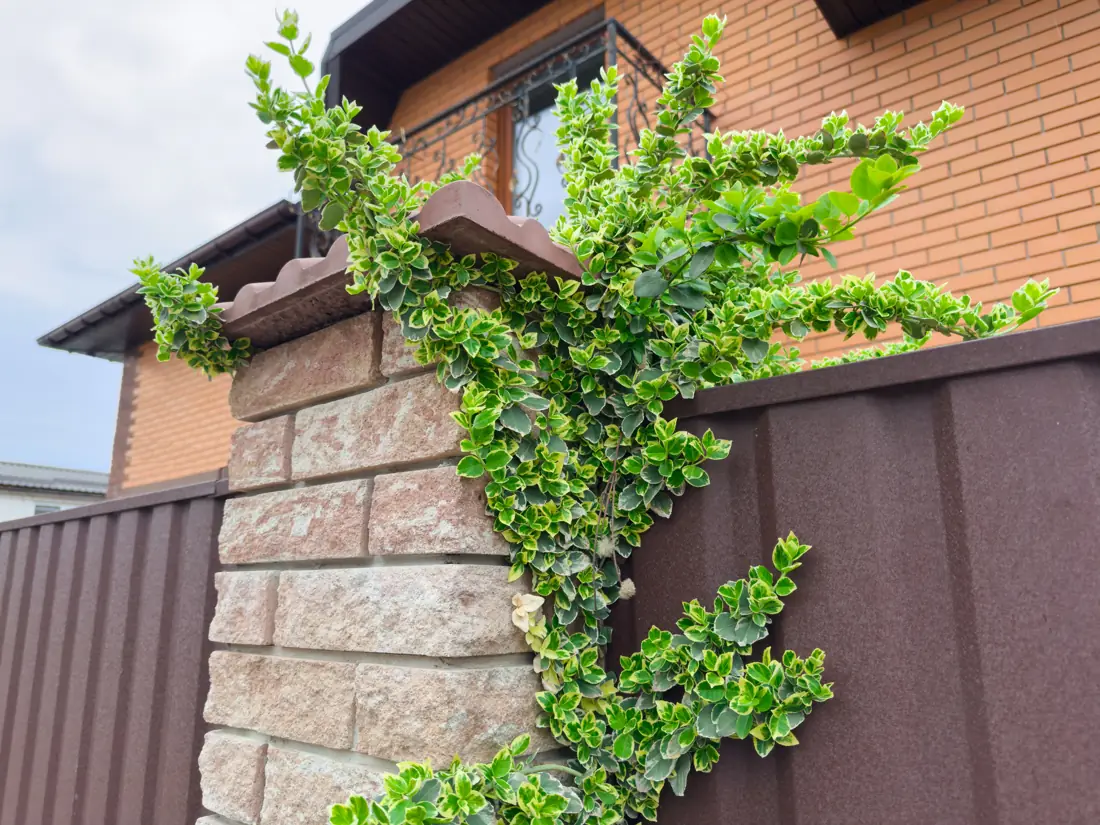
If you have a shady wall or fence, try planting Euonymus fortunei at the base. It will naturally lean against the surface and start to climb, creating a evergreen backdrop without any tying in. This works especially well in narrow side returns where you want greenery but have no soil depth for a climber.
Buying euonymus plants: what to look for
When you buy euonymus, look for plants with healthy, unmarked leaves and a bushy shape. Avoid any with yellowing foliage, sticky residue or white spots, which could signal scale or mildew already present. A well-rooted plant in a 2-litre pot will establish quickly and give you a good start.
Pot-grown euonymus can be planted at any time of year, but you will find the best selection in spring and early summer. If you are planting a hedge, order all your plants at the same time so they are a uniform size and grow evenly.
The two varieties we recommend for most home gardeners are Emerald Gaiety and Emerald 'n' Gold. Both are compact, hardy and easy to look after, and they come in sizes that suit immediate planting.
Common questions
Will euonymus grow in shade?
Yes, euonymus grows well in shade, especially Euonymus fortunei varieties like Emerald Gaiety and Emerald 'n' Gold. In deep shade the variegation may be less bright, but the plants stay healthy and evergreen. For the strongest leaf colour, a spot with a little sun is ideal.
What problems can Euonymus have?
The two main problems are euonymus scale insect and powdery mildew. Scale appears as brown or white bumps on leaves and stems, causing yellowing and sticky honeydew. Powdery mildew is a white dusty coating on leaves, often linked to dry roots or poor air flow. Both can be managed with good care and early treatment.
How tall will Euonymus grow?
Compact Euonymus fortunei types reach about 1m tall and wide. Euonymus japonicus can grow to 2m to 4m if left unpruned, but regular trimming keeps it at any height from 1m upwards. The variety Green Spire typically reaches 2m to 2.5m.
Does Euonymus stay green all winter?
Yes, evergreen euonymus keeps its leaves all winter. Euonymus fortunei often develops a pink or bronze flush in cold weather, which fades in spring. Euonymus japonicus stays a more consistent dark green through the colder months.
Can euonymus be grown in pots?
Yes, compact varieties like Emerald Gaiety and Emerald 'n' Gold grow well in pots. Use a loam-based compost, water regularly in the growing season and feed with a liquid fertiliser every few weeks. Repot into a slightly larger container every two to three years.
When should I prune my euonymus hedge?
Prune euonymus hedges in late spring to early summer, usually May or June. This gives new growth time to harden before winter. A light trim in July can tidy up uneven growth, but avoid pruning after August.
Is euonymus suitable for coastal gardens?
Yes, Euonymus japonicus is an excellent choice for coastal gardens. It tolerates salt-laden winds and exposed conditions better than many other evergreens. Green Spire is a particularly good variety for a seaside hedge.
How fast does euonymus grow?
Euonymus fortunei grows slowly to moderately, putting on about 10cm to 15cm a year. Euonymus japonicus is faster, typically growing 20cm to 30cm a year once established. Regular feeding and watering in the first year help speed up establishment.
Can euonymus climb a wall?
Yes, Euonymus fortunei will naturally climb a wall or fence if planted close to it. It is not a self-clinging climber like ivy, but it leans and scrambles upwards. You can tie in stems to encourage vertical growth for an evergreen wall covering.
Does euonymus have flowers or berries?
Evergreen euonymus grown in UK gardens rarely flowers or fruits noticeably. The plants are grown for their leaves. Deciduous types like Euonymus europaeus do produce colourful fruits, but the common evergreen varieties are foliage plants.