Fagus sylvatica
£3.90 per plant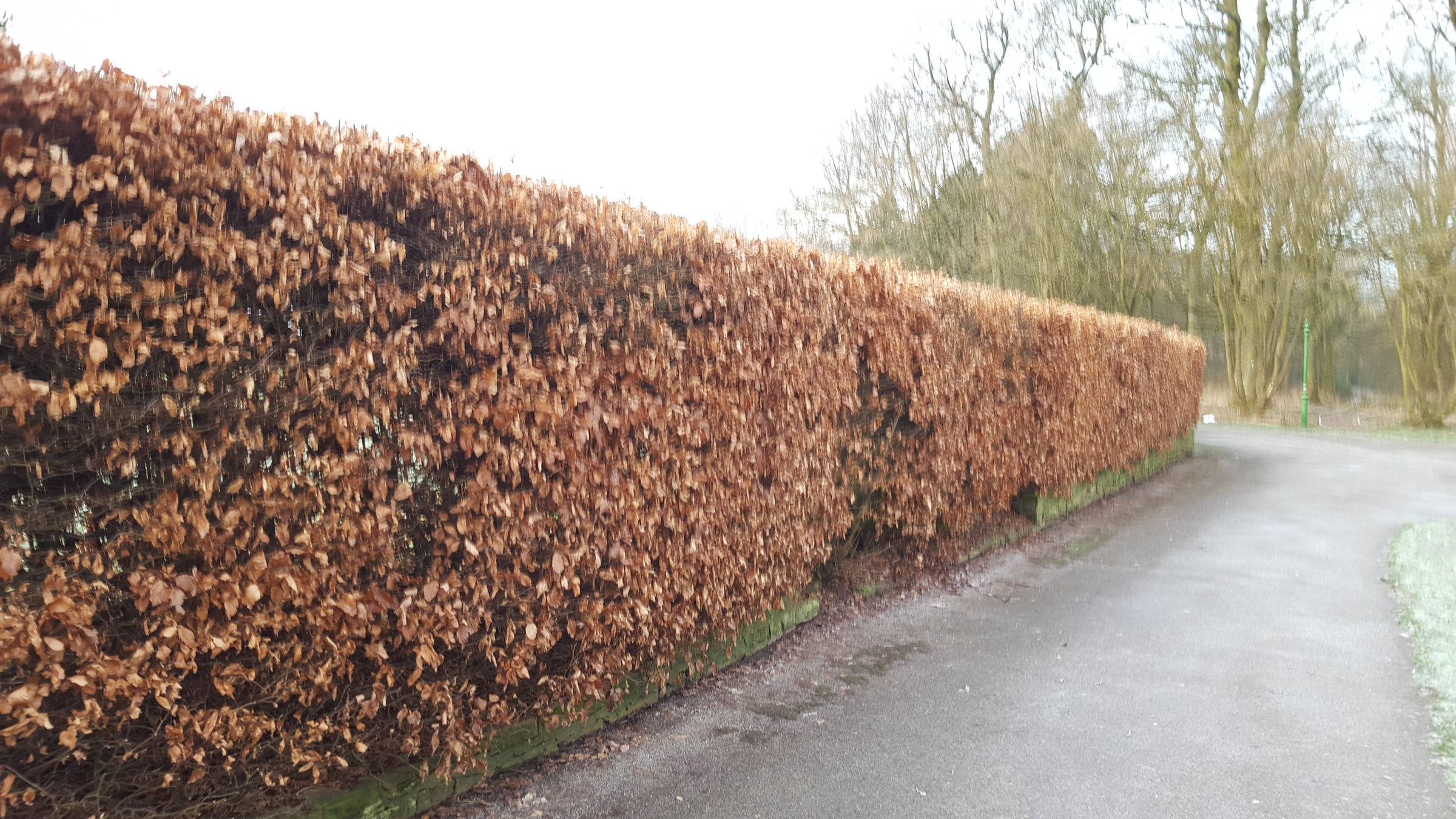
- UK Nursery Grown
- Grow Guarantee
Green Beech Hedge Plants: Fagus sylvatica Hedging
Fagus sylvatica
£3.90 per plant
Green beech is a classic deciduous hedge with bright spring leaves that deepen through summer before turning warm copper in autumn. A regularly trimmed hedge often holds its dry leaves through winter, giving seasonal privacy. It suits formal boundaries in sun or partial shade on well-drained soil, including chalk.
- Native deciduous hedging
- Green leaves turn copper in autumn
- Trimmed hedges often retain winter leaves
1. How would you like it supplied?
Grown and sent in a pot, so you can plant it in any month when the soil is not frozen or waterlogged. Ask us a question
Pots, bare root and rootball
- Bare root
- Arrives with bare roots and little soil. Keep them damp and plant while the weather is cool.
- Rootball
- Arrives with soil wrapped around the roots. Lift it by the soil ball rather than the stems and plant as directed.
- Potted
- Comes in a nursery pot. Each option shows the pot size and the height you will receive.
2. Pick your plant
Not sure which shrub to pick?Tell us about your garden and we will help you choose
Position
Sun or partial shade
Soil
Well-drained soil, including chalk
Supplied size
90-120cm
Ordering
Minimum order 5
Description
Green Beech Hedge Plants: Fagus sylvatica Hedging
What is a green beech hedge?
Green beech (Fagus sylvatica) makes a dense, neatly clipped hedge, with fresh spring foliage and copper-brown leaves that often remain on the branches through winter. Fresh green leaves appear in spring, deepen through summer, then turn copper and russet in autumn. The changing foliage brings warmth to garden boundaries, particularly alongside gravel paths, green lawns and late-flowering perennials.
Although beech is deciduous, a regularly trimmed hedge often holds many of its dry leaves through winter. The coppery foliage gives cover until new leaves open in spring. Annual summer clipping encourages retention, though exposed hedges may shed more leaves.
Why choose beech hedging?
A beech hedge can be kept narrow and sharply defined or allowed to develop a fuller, softer outline. Its bright spring leaves and copper autumn foliage bring seasonal colour to cottage gardens, front boundaries and formal planting alike.
It grows well on chalky soil, which many other hedging plants dislike. Established hedges generally need one main trim in late summer, with occasional attention to vigorous shoots if a particularly crisp outline is wanted.
How tall and wide does a beech hedge grow?
A regularly trimmed beech hedge is easily kept at 1.2 to 2.5 metres tall, though it can grow larger if left unpruned. Allow a finished width of around 60 to 90cm for a well-shaped hedge. Beech grows at a moderate rate, typically 30 to 60cm per year once settled in.
How can I use beech hedging in my garden?
Green beech suits formal garden boundaries, screening a seating area, or dividing a larger plot into garden rooms. In a small town garden, a clipped beech hedge gives structure without the heavy feel of evergreen. It also works as a backdrop for mixed borders, where the seasonal colour change adds interest.
Beech is often chosen for family gardens because it has no thorns and forms a close, leafy boundary. The leaves, twigs and beechnuts should still be kept out of the mouths of children and pets, as eating plant material can cause problems. In a newly planted garden, regular trimming encourages the branches to thicken and form a more continuous screen.
Choosing a size
The listed green beech option contains one plant at 90-120cm tall. The catalogue does not specify its root type, so check the current product details before planning a bare root planting. Beech is commonly planted during the dormant season, roughly November to March, when conditions allow the roots to establish before spring growth.
The available height and quantity are shown below, alongside a suggested planting density for a new hedge.
| Option | Supplied height | Root type | Best for | Plants per metre |
|---|---|---|---|---|
| 90-120cm | 1 plant | 90-120cm | Not specified | Establishing a new hedge quickly | 3 to 5 |
Growing and care
Planting and looking after it
When and how should I plant a beech hedge?
The best time to plant bare root beech hedge plants is during the dormant season, from November to March. Avoid planting when the ground is frozen or waterlogged.
Prepare the soil along the full line by removing grass and perennial weeds. Dig a trench wide enough for the roots to spread naturally. Plant at the same depth the plants were growing in the nursery (look for the soil mark on the stem). Firm the soil gently around the roots and water thoroughly.
Protect bare roots from drying out before planting. If you cannot plant immediately, heel the plants into a temporary trench or keep the roots covered with damp compost.
How far apart should I plant a beech hedge?
Plant 3 to 5 plants per metre for a single row hedge. Closer spacing gives a denser hedge more quickly. For a thicker hedge, plant a staggered double row with the same spacing within each row.
The table below helps you work out how many plants you need for common hedge lengths.
| Hedge length | Plants needed (3 per metre) | Plants needed (4 per metre) | Plants needed (5 per metre) |
|---|---|---|---|
| 5 metres | 15 | 20 | 25 |
| 10 metres | 30 | 40 | 50 |
| 20 metres | 60 | 80 | 100 |
How do I water and feed a new beech hedge?
Water new hedges regularly during the first growing season, especially in dry spells. Check the soil moisture below the surface rather than relying on light rainfall. A thorough soak once a week is better than frequent light watering.
Mulch around the base with bark or compost to hold moisture and suppress weeds. Keep the mulch clear of the stems to prevent rot. Once established, beech needs less watering but may still need help in prolonged dry weather.
Feed in early spring with a general-purpose fertiliser to encourage healthy growth. A second light feed in early summer can help on poorer soils.
When should I trim a beech hedge?
Trim established beech hedges once a year in August. This timing encourages the hedge to hold its dry copper leaves through winter. Keep the base slightly wider than the top so light reaches the lower branches.
Check for nesting birds before cutting. Use sharp shears or a hedge trimmer for a clean finish. Lightly trim any straggly growth in early summer if needed, but leave the main cut for August.
Does a beech hedge keep its leaves in winter?
A regularly trimmed beech hedge often retains many of its dry, copper-brown leaves through winter. These are dead leaves, not living evergreen foliage. The effect gives a degree of privacy and shelter during the colder months.
Leaf retention varies with exposure, trimming and the individual plant. Sheltered, regularly trimmed hedges generally retain more dry foliage than those exposed to strong winds, although the amount retained varies from year to year. New green leaves push through in spring, replacing the old ones.
Evergreen or deciduous hedging? Prepare the hedge planting line Annual hedge trimming
Our planting guideMore growing help: RHS plant and growing guidance
Sizes and prices
Green beech hedging sizes, prices and minimum orders
| Option | Supplied height | Pot or root | Plants | Price | Minimum order | Availability |
|---|---|---|---|---|---|---|
| 90-120cm | 1 plant | 90-120cm | Potted | 1 | £3.90 per plant | 5 | Unavailable |
Prices are for the option you select. Pack size is the number of plants you receive, and the minimum order is the smallest number we can send.
How sizes and quantities workDelivery
Delivery for your plant order
You will see delivery options and any charge in your basket before you pay.
Your plants are alive when they reach you, so open the box on the day, water if the compost feels dry and stand them somewhere sheltered until planting.
Delivery informationPlant questions
Good to know
What is the best time of year to plant a beech hedge?
The ideal time is during the dormant season, from November to March. Bare root beech plants are only available then. Planting while the soil is workable and not frozen gives roots time to settle before spring growth starts.
How quickly does a beech hedge grow?
Once established, green beech grows at a moderate rate of 30 to 60cm per year. Growth is slower in the first year or two while roots settle. Good soil preparation and regular watering help speed up establishment.
How far apart should a beech hedge be planted?
Plant 3 to 5 plants per metre in a single row. For a thicker hedge, use a staggered double row with the same spacing. Closer planting gives a denser hedge faster, while wider spacing suits a more informal look.
When to trim a beech hedge?
Trim once a year in August. This timing helps the hedge hold its dry winter leaves and keeps a neat shape. Always check for nesting birds before cutting.
Does a beech hedge keep its leaves in winter?
A regularly trimmed beech hedge often holds many dry, copper-brown leaves through winter. These are dead leaves, not evergreen foliage. Retention depends on exposure and trimming, but a sheltered hedge trimmed in August gives the best winter cover.
Is beech hedging safe for pets and children?
Beech is a popular choice for family gardens because its foliage is not as hazardous as that of hedging plants such as yew. However, it should not be described as entirely harmless if eaten. Beechnuts and other plant material can cause stomach upset, so discourage children and pets from chewing or swallowing them.
Ask us about this plant