Taxus baccata
£2.20 per plant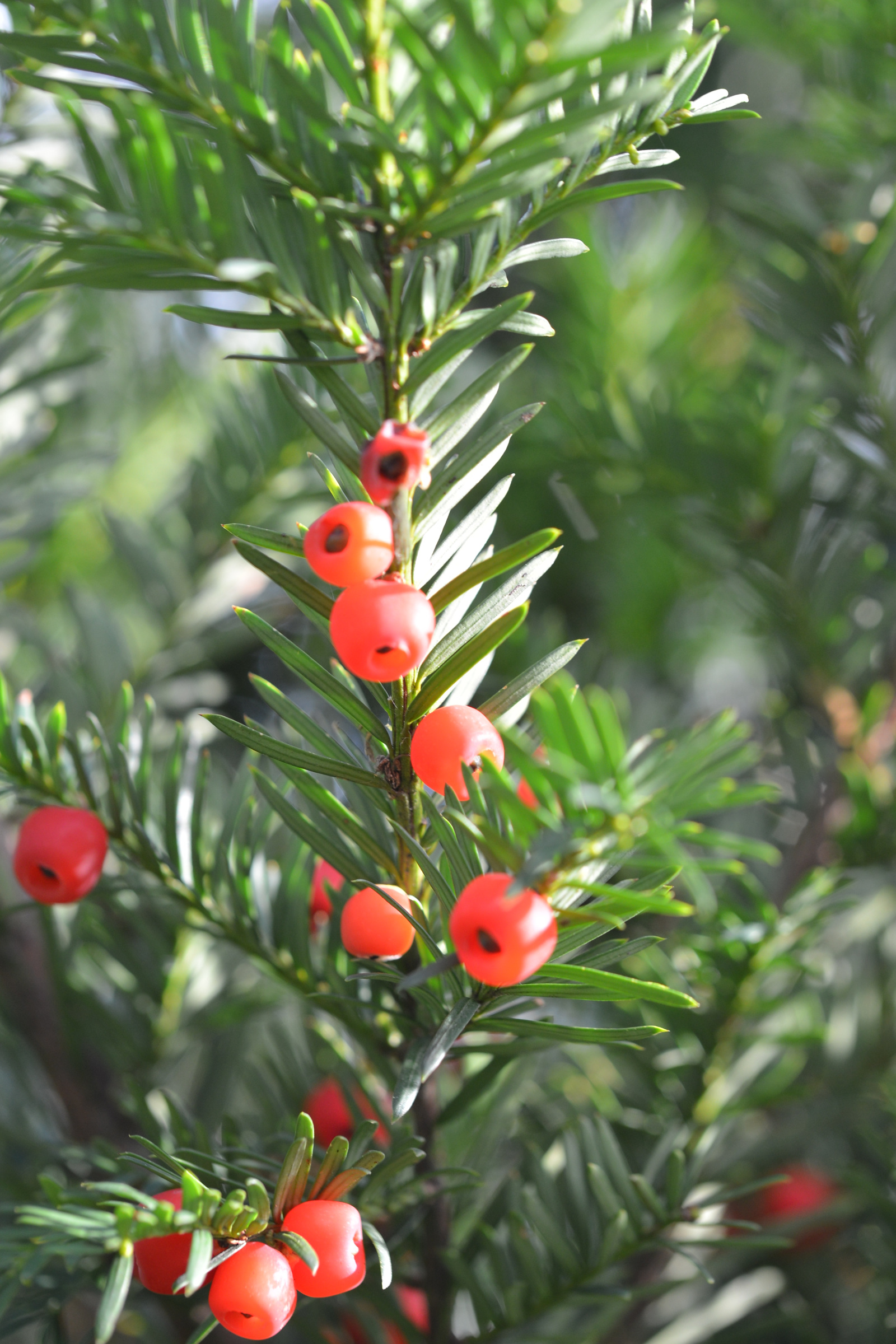
- UK Nursery Grown
- Grow Guarantee
English Yew Hedge Plants (Taxus baccata) Hedging
Taxus baccata
£2.20 per plant
English yew has short, dark green needles and densely branching stems that can be clipped into remarkably straight hedge faces. It grows in sun or shade, although new plants need moisture while their roots establish. Once established, an annual trim usually keeps a formal hedge in shape. Choose potted, bare root or rootball plants to suit your planting window and budget.
- Dense evergreen for formal hedges
- Thrives in sun or shade
- Clips into a crisp outline
1. How would you like it supplied?
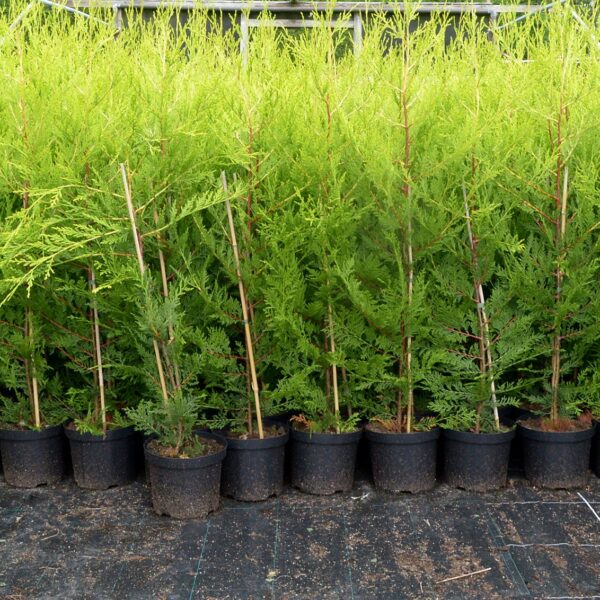
Grown and sent in a pot, so you can plant it in any month when the soil is not frozen or waterlogged. Ask us a question
Pots, bare root and rootball
- Bare root
- Arrives with bare roots and little soil. Keep them damp and plant while the weather is cool.
- Rootball
- Arrives with soil wrapped around the roots. Lift it by the soil ball rather than the stems and plant as directed.
- Potted
- Comes in a nursery pot. Each option shows the pot size and the height you will receive.
2. Pick your plant
Not sure which shrub to pick?Tell us about your garden and we will help you choose
Position
Sun, partial shade or full shade
Soil
Well-drained soil; avoid waterlogged sites
Supplied size
20-40cm, Potted
Ordering
Minimum order 10
Description
English Yew Hedge Plants (Taxus baccata) Hedging
What is an English yew hedge?
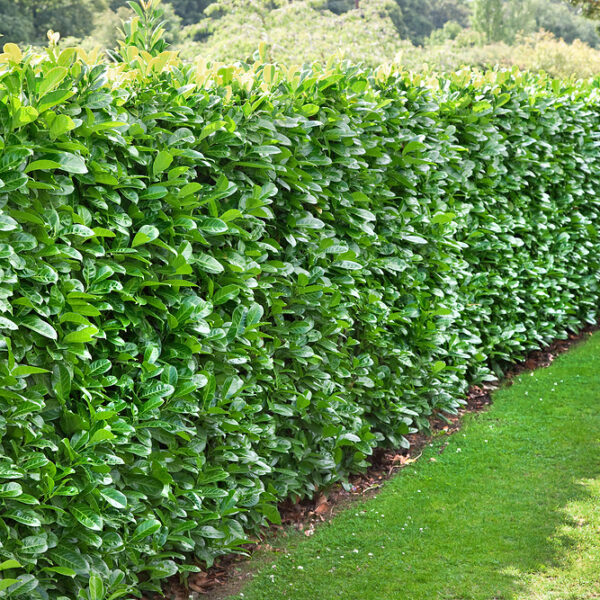
English yew, Taxus baccata, is a native evergreen conifer with narrow, dark green needles and dense, twiggy growth. As a clipped garden hedge it gives a strong, dark backdrop to lawns and flowering borders. It can be kept as a low formal boundary, a taller screen or shaped into individual topiary.
Yew is one of the few hedging plants that truly copes with deep shade, so it works well beside walls, under trees or in north-facing gardens. Good drainage matters wherever you plant it. Shaded ground close to established trees can also be dry, so new plants still need regular watering while their roots settle in.
Why choose English yew hedging plants?
The short needles and closely spaced shoots of English yew produce a particularly smooth clipped surface. Its deep green colour also gives pale flowers and spring bulbs a strong background. Once established, a yew hedge needs clipping only once or twice a year, and it can regenerate from old wood, unlike most conifers. This makes renovation possible if a hedge gets too large, though recovery takes time.
Yew is slow growing compared with laurel or Leylandii, so it suits gardeners who want a controlled, permanent boundary rather than rapid screening. In a small town garden, a clipped yew hedge stays neat without constant trimming. In a larger garden, a waist-high yew hedge can separate a terrace from the lawn, while a taller clipped hedge can screen a seating area.
The foliage and seeds are toxic if eaten, so keep plants and clippings out of reach of grazing animals and dispose of pruning waste carefully.
How tall and wide does an English yew hedge grow?
An English yew hedge can be maintained at any height from about 60cm up to several metres. Left unclipped, a single yew eventually becomes a large, spreading tree, but regular trimming keeps it dense and manageable. Expect roughly 20 to 30cm of new growth each year once the plants are established.
Spread depends on how you clip it. A formal hedge can be kept as narrow as 60cm wide, while a softer, less frequently trimmed hedge will naturally widen. Start shaping young plants before they get too broad, and keep the base slightly wider than the top so light reaches the lower branches.
Ways to use English yew in your garden
English yew suits all kinds of garden settings. Use it as a low box-style edging around a formal herb garden, a waist-high boundary along a front path, or a tall screen to hide a compost area. It also makes excellent topiary: balls, cones and pyramids hold their shape well with light clipping.
In a new-build garden, a row of yew can establish the boundary while smaller shrubs develop in front. The dark foliage sets off white narcissi, pale tulips and flowering perennials. Yew can also be trained as topiary, although the hedging plants supplied here are intended for planting and shaping rather than sold as finished standards.
Choosing a size: which English yew option suits you?
The four options range from 20-40cm potted plants to 80-100cm rootball specimens. Your planting season, budget and desired starting height will help determine which to choose. Potted plants establish well in warmer months, bare root plants are a cost-effective choice for dormant-season planting, and rootball plants give you a taller hedge from the start.
Allow 3 to 4 plants per metre for the smaller sizes, or 2 to 3 per metre for the taller rootball options. The table gives the supplied heights and root types alongside the suggested spacing.
Growing and care
Planting and looking after it
When and how to plant an English yew hedge
Potted yew can be planted at any time the ground is workable. Bare root yew is planted during the dormant season, roughly November to March, when the plants are not in active growth. Rootball plants are also best planted between autumn and early spring.
Prepare the planting strip by clearing weeds and checking the drainage. Dig a trench wide enough to spread the roots comfortably. Set each plant at the same depth it was growing in the nursery, backfill gently and water thoroughly. Keep bare roots or rootballs covered while you work so they do not dry out.
Delay planting if the soil is frozen or waterlogged. During the first growing season, check the root zone regularly and water in dry spells. A mulch of bark or compost helps hold moisture and keeps weeds down.
How many English yew hedge plants do I need?
For the 20-40cm and 40-60cm sizes, space plants 30 to 40cm apart in a single row. Taller rootball plants can be spaced at 2 to 3 per metre. For a wider hedge, arrange plants in two staggered rows about 40cm apart, adjusting the spacing to suit their starting size.
Use the table below to work out how many plants you need for common hedge lengths.
| Hedge length | Single row (3 plants/m) | Double row (5 plants/m) |
|---|---|---|
| 5 metres | 15 plants | 25 plants |
| 10 metres | 30 plants | 50 plants |
| 20 metres | 60 plants | 100 plants |
Watering, feeding and ongoing care
Water new plants deeply once or twice a week in dry weather during the first growing season. Established yew hedges rarely need watering except in prolonged drought.
Feed in early spring with a general-purpose granular fertiliser, scattering it along the hedge line and watering it in. A second light feed in early summer can help young plants put on growth.
Keep the area around the base free of grass and weeds, which compete for moisture and nutrients. Top up mulch each spring, keeping it a few centimetres away from the stems.
When to cut a yew hedge: trimming calendar
Clip an established English yew hedge once a year, in late summer or early autumn. This gives the hedge a crisp outline through winter. A light trim in early summer can tidy up strong new shoots if you want a very formal look.
Start shaping young plants early, nipping back the leading shoots and sides to encourage bushy growth. Always check for nesting birds before you clip, and avoid trimming in hot, sunny weather, which can scorch freshly cut foliage.
Yew can regenerate from older wood, so an overgrown hedge can be cut back hard in stages over two or three winters. This is a slower process than with privet or hawthorn, but it works.
Toxicity warning
All parts of English yew, except the fleshy red aril around the seed, are toxic if eaten. The foliage and seeds are particularly dangerous for grazing animals. Do not plant a yew hedge where livestock or horses can reach it, and dispose of clippings safely. Wear gloves when trimming and wash hands afterwards.
Compare garden hedge types Understand potted and rootball plants Trimming established hedges
Our planting guideMore growing help: RHS plant and growing guidance
Sizes and prices
English yew hedging sizes, prices and minimum orders
| Option | Supplied height | Pot or root | Plants | Price | Minimum order | Availability |
|---|---|---|---|---|---|---|
| 20-40cm | Potted | 1 plant | 20-40cm | Potted | 1 | £2.20 per plant | 10 | Available |
| 40-60cm | Bare root | 1 plant | 40-60cm | Bare root | 1 | £3.48 per plant | None | Unavailable |
| 60-80cm | Rootball | 1 plant | 60-80cm | Rootball | 1 | £25.00 per plant | None | Unavailable |
| 80-100cm | Rootball | 1 plant | 80-100cm | Rootball | 1 | £27.50 per plant | None | Unavailable |
Prices are for the option you select. Pack size is the number of plants you receive, and the minimum order is the smallest number we can send.
How sizes and quantities workDelivery
Delivery for your plant order
You will see delivery options and any charge in your basket before you pay.
Your plants are alive when they reach you, so open the box on the day, water if the compost feels dry and stand them somewhere sheltered until planting.
Delivery informationPlant questions
Good to know
How many 20-40cm English yew plants do I need per metre?
For a single row hedge, space 20-40cm plants 30 to 40cm apart, which works out at 3 to 4 plants per metre. If you want a thicker double-row hedge, use 5 plants per metre in a staggered pattern. The exact number depends on how quickly you want the hedge to fill in and how dense you need it to be from the start.
How quickly will a yew hedge grow?
An English yew hedge typically puts on 20 to 30cm of growth a year once established. It grows more slowly than laurel or Leylandii, giving you less vigorous extension growth to manage once the hedge reaches its intended size. Growth is slower in deep shade and on poor, dry soils. Regular watering and feeding during the first few years help plants settle in and speed up.
Which yew is best for a hedge?
English yew, Taxus baccata, is the classic choice for a formal garden hedge. It clips into a very dense, dark green screen and tolerates shade better than almost any other hedging plant. Irish yew, Taxus baccata u2018Fastigiatau2019, has a narrow, upright habit and is better suited to specimen planting or columns than a continuous hedge.
Do yew trees make a good hedge?
Yes. English yew is particularly suited to formal hedging because its dense shoots take close clipping and the foliage stays green throughout winter. Regular trimming can maintain it at heights from 60cm to several metres. The main trade-off is speed: yew grows more slowly than many common hedging plants, so it is not the right choice if you need a quick screen.
When to cut a yew hedge?
Clip an established yew hedge once a year, in late summer or early autumn. This timing allows the hedge to look tidy through winter. A light trim in early summer can neaten strong new shoots if you want a very formal outline. Always check for nesting birds before you start, and avoid clipping in hot, sunny weather.
Taxus baccata hedge spacing: how far apart?
Space Taxus baccata hedging plants 30 to 40cm apart for a single row. For a wider, denser hedge, plant a staggered double row with 30 to 40cm between plants in each row and about 40cm between the two rows. Closer spacing fills in faster but means more competition for water and nutrients, so prepare the soil well.
Ask us about this plant