Ligustrum ovalifolium
£1.50 per plant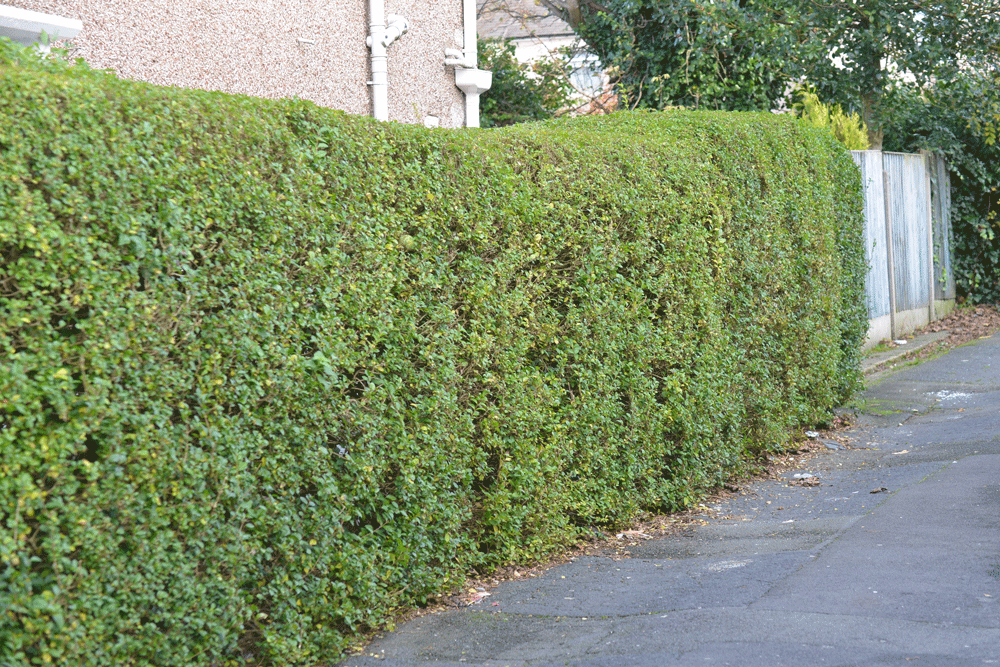
- UK Nursery Grown
- Grow Guarantee
Privet Hedge Plants: Bare Root Ligustrum Hedging
Ligustrum ovalifolium
£1.50 per plant
Privet produces slender, closely branching stems covered with small, oval green leaves. Regular clipping encourages the shoots to thicken into a smooth hedge along paths, driveways and front boundaries. A semi-evergreen choice: it keeps many leaves in mild winters but can thin in cold or exposed spots. Supplied as bare root plants for planting November to March.
- Small green leaves, neat finish
- Clips into a tight formal shape
- Semi-evergreen, winter leaf drop possible
1. How would you like it supplied?
Sent without soil between November and March while the plant is dormant. Keep the roots damp and plant within a few days. Ask us a question
Pots, bare root and rootball
- Bare root
- Arrives with bare roots and little soil. Keep them damp and plant while the weather is cool.
- Rootball
- Arrives with soil wrapped around the roots. Lift it by the soil ball rather than the stems and plant as directed.
- Potted
- Comes in a nursery pot. Each option shows the pot size and the height you will receive.
2. Pick your plant
Not sure which shrub to pick?Tell us about your garden and we will help you choose
Position
Sun or partial shade
Soil
Well-drained soil
Supplied size
40-60cm, Bare root
Ordering
Minimum order 10
Description
Privet Hedge Plants: Bare Root Ligustrum Hedging
What is a privet hedge?
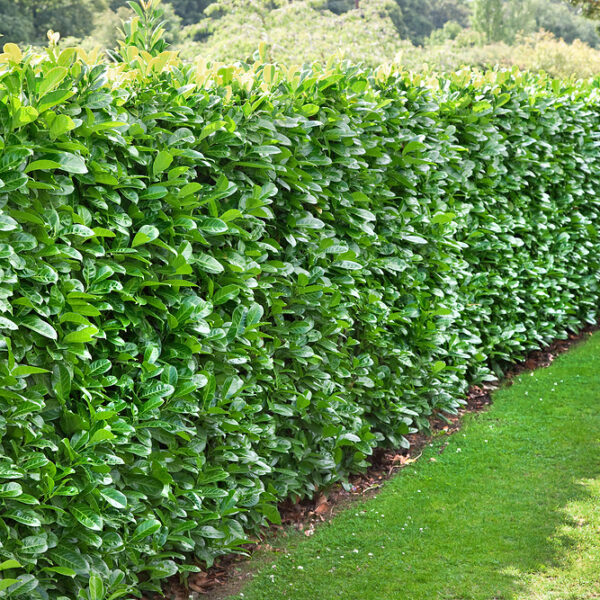
Oval-leaved privet, Ligustrum ovalifolium, carries small green leaves on slender, flexible stems. The shoots branch readily after cutting, helping newly planted hedges develop a closely knit surface. Regular clipping turns it into a dense, even screen that suits formal gardens, front boundaries and path edging. The fine leaf texture gives a sharper outline than larger-leaved evergreens like laurel.
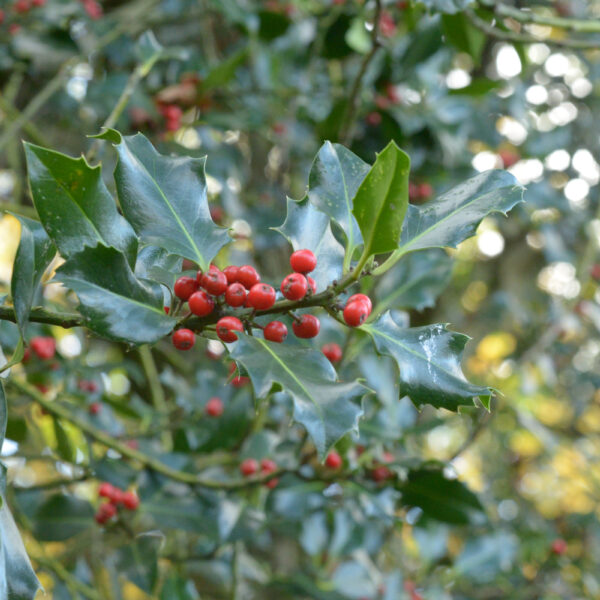
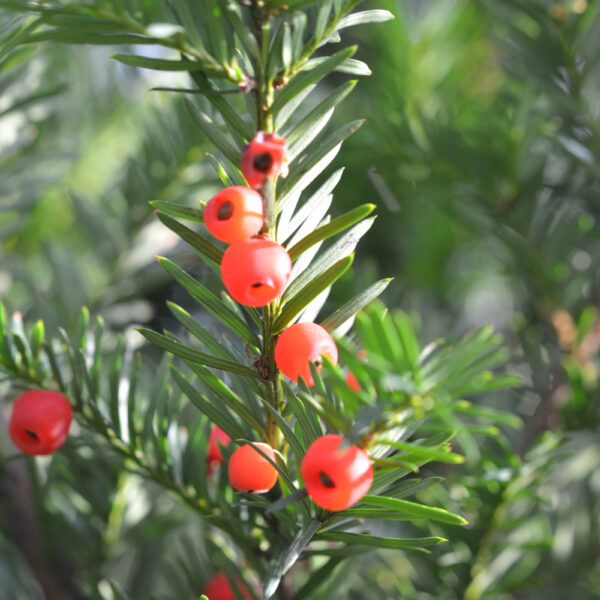
It is a semi-evergreen plant. In a mild winter it can hold much of its foliage, but cold winds and hard frosts may cause significant leaf drop. If you need a solid year-round screen, compare fully evergreen options such as yew or holly before you decide.
Why choose a privet hedge?
Bare root privet is a practical choice for planting a long boundary at lower initial cost. Once the roots establish, new shoots respond readily to cutting, so you can gradually build a dense base before allowing the hedge to reach its finished height. The small leaves create a smooth, tailored surface that looks smart along a driveway or front garden.
It is also tolerant of a range of conditions. Privet grows in sun or partial shade and copes with most well-drained soils, including chalky ground. Once established, it is hardy across the UK and recovers well from hard pruning if a hedge has been left to grow out of shape.
How tall and wide does a privet hedge grow?
Left unclipped, privet can reach around 4 metres tall and 3 metres wide over many years. As a maintained hedge it is usually kept between 1.2 and 2.5 metres, which is a practical height for trimming from the ground. Expect roughly 30 to 60cm of new growth each year once the plants are settled in.
The eventual spread of a clipped hedge depends on how you trim it. A width of 60 to 90cm is typical for a formal privet hedge, but you can keep it narrower with more frequent cutting. Allow enough room behind the planting line to reach both faces with shears or a trimmer.
Where can I use privet hedging?
Privet suits front garden boundaries where a neat, low to medium hedge defines the edge without feeling heavy. It also works well along paths, around a formal vegetable or rose garden, or as a dividing line between different parts of a larger plot. In a small town garden, a privet hedge kept around 1.2 to 1.5 metres tall can give a seating area some privacy while leaving the space above it open.
It is less suited to very exposed coastal or upland sites where strong winds and thin soils make establishment harder. On a new-build plot, check for compacted soil and buried rubble before planting. Loosen the ground along the full hedge line, remove debris and keep the roots watered during dry spells so they can spread beyond the planting trench.
Choosing a size: which bare root privet is right for me?
The two bare root privet sizes are 40-60cm and 60-90cm. Each catalogue option is for one plant, with a minimum order of 10 plants. Bare root plants are lifted from the field during the dormant season and sent without soil on the roots. They are lighter to handle and more affordable than pot-grown plants, but they must be planted between November and March.
Use 4 to 5 of the 40-60cm plants per metre for a close hedge, or 3 to 4 of the taller 60-90cm plants. The table gives the corresponding spacing and starting sizes.
| Option | Supplied size | Root type | Best for | Plants per metre |
|---|---|---|---|---|
| 40-60cm | 40-60cm | Bare root | Budget-friendly new hedges, large runs | 4 to 5 |
| 60-90cm | 60-90cm | Bare root | Quicker impact, screening from year two | 3 to 4 |
What are the negatives of privet hedge?
The main drawback is that privet is not fully evergreen. In a cold winter or an exposed garden, it can lose enough leaves to look thin. If year-round privacy is essential, an evergreen such as yew or holly may be a better fit. Privet also needs regular trimming during the growing season to stay dense and tidy, which can mean cutting three or four times between spring and autumn.
The leaves and berries are mildly toxic to people and pets if eaten, so it is wise to keep an eye on young children and dogs around the hedge. The small white flowers that appear on unclipped plants in summer have a strong, sweet scent that some people find overpowering, though a regularly trimmed hedge rarely flowers heavily.
Growing and care
Planting and looking after it
When and how should I plant bare root privet?
Plant bare root privet during the dormant season, roughly November to March, whenever the ground is not frozen or waterlogged. The sooner you plant after delivery, the better. If you cannot plant straight away, keep the roots covered with damp compost or sacking in a cool, sheltered spot and never let them dry out.
To plant, dig a trench wide enough to spread the roots comfortably and deep enough to set each plant at the same soil mark as it grew in the field. Space the plants evenly along the row, backfill with soil, firm gently and water thoroughly. A single row is fine for most garden hedges. For a thicker screen, plant a double row with the plants staggered.
| Hedge length | Plants needed (40-60cm at 5 per metre) | Plants needed (60-90cm at 4 per metre) |
|---|---|---|
| 5 metres | 25 plants | 20 plants |
| 10 metres | 50 plants | 40 plants |
| 20 metres | 100 plants | 80 plants |
What spacing does a privet hedge need?
For a single-row hedge, space 40-60cm plants at 4 to 5 per metre (20 to 25cm apart). Space 60-90cm plants at 3 to 4 per metre (25 to 33cm apart). Closer spacing gives a denser hedge sooner but means more plants to buy. Wider spacing works if you are patient and prepared to let the plants knit together over an extra season or two.
If you want a thicker hedge from the start, plant a double row. Set the rows 30 to 40cm apart and stagger the plants so they fill the gaps. Double-row planting uses roughly 6 to 8 plants per metre for the smaller size and 5 to 7 for the larger size.
How do I water, feed and trim a privet hedge?
Water new bare root plants regularly during their first growing season, especially in dry spells. Check the soil around the roots rather than relying on a damp surface. A thorough soak once or twice a week is better than a light daily sprinkle. Once established, privet is fairly drought-tolerant but benefits from watering in prolonged hot, dry weather.
Feed in early spring with a general-purpose granular fertiliser or a mulch of well-rotted compost spread along the root zone. Keep the mulch clear of the stems to avoid rot. Start trimming when the plants are young to build a dense base. Cut the leading shoots back by about a third after planting, then trim sides lightly during the first summer.
An established privet hedge needs trimming three to four times between late spring and early autumn to keep a crisp shape. Always check for nesting birds before you cut. Keep the base slightly wider than the top so light reaches the lower leaves, which stops the bottom thinning out. Collect clippings after work to keep the hedge tidy and reduce slug shelter.
Privet hedge trimming calendar
This table shows a typical trimming routine for an established privet hedge. Adjust timings slightly depending on your local climate and how formal you want the finish.
| Month | Action |
|---|---|
| March to April | Feed and mulch. First light trim as new growth starts. |
| May to June | Main trim to shape. Check for nesting birds first. |
| July to August | Second trim to keep outline crisp. |
| September to October | Final trim before winter. Tidy fallen clippings. |
Compare bare-root and potted hedges Planting a bare-root hedge Compare winter foliage
Our planting guideMore growing help: RHS plant and growing guidance
Sizes and prices
Privet hedging sizes, prices and minimum orders
| Option | Supplied height | Pot or root | Plants | Price | Minimum order | Availability |
|---|---|---|---|---|---|---|
| 40-60cm | Bare root | 1 plant | 40-60cm | Bare root | 1 | £1.50 per plant | 10 | Unavailable |
| 60-90cm | Bare root | 1 plant | 60-90cm | Bare root | 1 | £1.90 per plant | 10 | Unavailable |
Prices are for the option you select. Pack size is the number of plants you receive, and the minimum order is the smallest number we can send.
How sizes and quantities workDelivery
Delivery for your plant order
You will see delivery options and any charge in your basket before you pay.
Your plants are alive when they reach you, so open the box on the day, water if the compost feels dry and stand them somewhere sheltered until planting.
Delivery informationPlant questions
Good to know
How many 40-60cm privet hedging plants do I need per metre?
For a single-row hedge, plant 4 to 5 plants per metre. That means spacing them roughly 20 to 25cm apart. If you want a thicker hedge from the start, plant a staggered double row and allow 6 to 8 plants per metre. The closer you plant, the quicker the hedge fills in, but it also means buying more plants upfront.
When should you plant bare root hedging?
Bare root hedging plants are planted during the dormant season, which runs from November to March. The key is to get them in the ground while they are not actively growing and when the soil is workable, not frozen solid or waterlogged. Plant as soon as you can after delivery, and never let the roots dry out before they go into the soil.
How quickly will a privet hedge grow?
Once established, privet typically puts on 30 to 60cm of new growth each year. Starting with 60-90cm bare root plants may allow a hedge to reach around 1.5 metres within two to three growing seasons if conditions support annual growth of 30 to 60cm. The 40-60cm plants start shorter and will generally take longer. Actual height depends on establishment and how much growth is removed during trimming.
What are the negatives of privet hedge?
Privet is semi-evergreen, so it can lose leaves in cold winters and look thin when you most want screening. It also needs trimming three or four times a year to stay neat, which is more work than slower-growing evergreens. The leaves and berries are mildly toxic if eaten, so care is needed around young children and pets. Some people find the scent of the flowers too strong.
What is the best time to plant privet hedges?
The best time to plant bare root privet is during the dormant season, from November to March, as long as the ground is not frozen or waterlogged. This gives the roots time to settle before the plant puts energy into new leaves in spring. Container-grown privet can be planted at any time of year, but we supply bare root plants for winter planting only.
What is the best type of privet for a hedge?
The most common choice for UK garden hedges is Ligustrum ovalifolium, often called oval-leaved privet. It has broader leaves than native Ligustrum vulgare and often retains much of its foliage in mild winters, although leaf retention varies with temperature and exposure. Our bare root privet plants are Ligustrum ovalifolium, which gives the reliable, dense growth that makes a good formal hedge.
Ask us about this plant