What are the best plants for a hedgerow?
For a mixed British hedgerow, start with hawthorn and add shrubs that provide different kinds of cover, flowers and fruit. Plant them close enough to develop a dense, twiggy base where birds can shelter and nest. A traditional British hedgerow often includes hawthorn, blackthorn, hazel, field maple and holly, with occasional beech or privet woven in. You get a living boundary that flowers in spring, fruits in autumn and holds its structure through winter.
When you pick hedgerow plants, think about what you want the hedge to do. For a stock-proof boundary on a smallholding, choose thorny species such as hawthorn and plan for suitable fencing while the hedge establishes. In a family garden, holly and dog rose add berries and seasonal interest. A run of 5 to 10 metres can provide useful shelter and feeding opportunities for birds and insects, especially when connected to other garden planting.
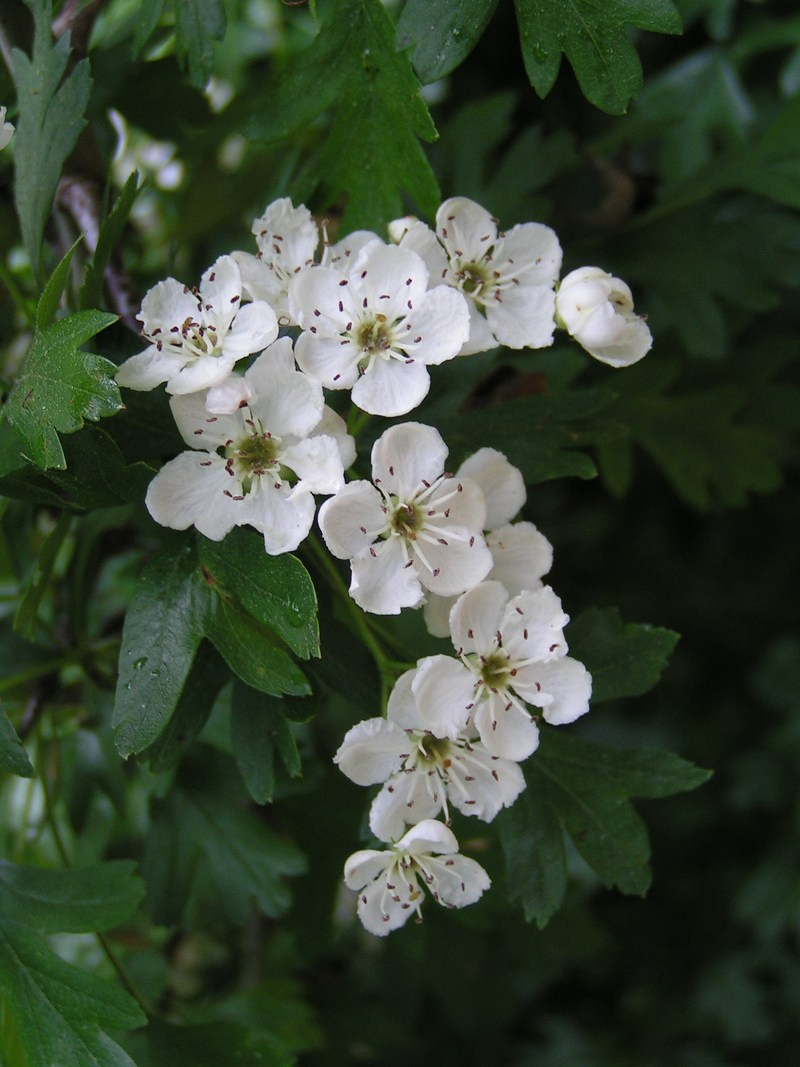
Common hawthorn makes a reliable framework for a mixed hedge, with thorny branches, white spring blossom and red autumn haws. Green beech often retains its dry copper-brown leaves through winter when kept clipped. English holly supplies evergreen cover, with berries on female plants that have been pollinated. Privet takes regular trimming and may retain some foliage through mild winters. In sunny, well-drained ground, Mixed garden heathers can add low-growing colour along the outer edge. Keep Eucalyptus gunnii separate from the hedgerow itself, as its eventual height and spreading roots make it unsuitable for close mixed-hedge planting.
| Hedgerow plant | Type | Key benefit | Available as |
|---|---|---|---|
| Common hawthorn | Deciduous | Thorny, fast, wildlife favourite | 40/60 or 60/90 bare root |
| Green beech | Deciduous (holds leaf) | Screens all year, classic hedge | 90-120cm, root type not specified |
| English holly | Evergreen | Berries, dense, shade tolerant | 30-40cm, 40-60cm or 60-80cm 9cm pot |
| Privet | Semi evergreen | Tough, clips neatly, urban tolerant | 40-60cm or 60-90cm bare root |
| English yew | Evergreen | Long lived, dark green, formal or informal | 20-40cm potted, 40-60cm bare root or 60-80cm, 80-100cm rootball |
What makes a good hedgerow?
A useful wildlife hedgerow has dense branches close to the ground, with a mix of species that flower and fruit at different times. Hawthorn, holly, beech and privet can grow together into one continuous boundary, each contributing something different. Hawthorn supplies blossom and autumn haws, holly offers evergreen shelter, and beech holds much of its dry foliage through winter. Leave some flowering growth untrimmed each year so birds and insects can make use of it.
Start with a strong framework of hawthorn, which grows quickly and takes hard pruning well. Add at least three other species that flower or fruit at different times. Holly and yew bring evergreen cover for winter roosting. Beech and privet fill out the middle with leafy growth. If you have room, weave in a few dog roses or brambles, which scramble through and add extra blossom and hips.
A hedgerow also needs a wide, rough base. Let the grass grow long at the foot of the hedge, or plant low ground cover like Mixed garden heathers or Hebe Red Edge in sunny gaps. The longer grass and low planting provide extra cover for small mammals and amphibians moving along the hedge. Keep this strip free of pesticides where possible, and leave gaps beneath suitable garden boundaries so wildlife can move between neighbouring plots.
- Dense, twiggy growth at ground level
- At least three different species
- Thorny plants for nesting birds
- Flowers across spring and early summer
- Berries, nuts or hips in autumn and winter
- Evergreen cover for winter shelter
Hawthorn, beech, holly and privet in a mixed hedge
These four plants form the backbone of countless British hedgerows, and they work just as well in a garden setting. Common hawthorn (Crataegus monogyna) is the classic field hedge plant. It is thorny, fast growing and covered in white May blossom followed by red haws that blackbirds and thrushes love. Plant it as 60 to 80 percent of your hedgerow mix for a traditional look.
Green beech (Fagus sylvatica) is deciduous, although regularly clipped young hedges often retain dry copper-brown leaves through winter. The amount retained varies with age, weather and exposure, so it should not be relied on for complete winter privacy. Beech prefers well-drained soil and struggles where heavy clay stays waterlogged. Within a mixed hawthorn hedge, groups of three to five plants add a contrasting leaf shape and useful seasonal screening.
English holly (Ilex aquifolium) is slow but worth the wait. Its prickly evergreen leaves make it a secure nesting site, and female plants produce the familiar red berries. Holly grows happily in shade, so it is useful for the north side of a hedge or under trees. Privet (Ligustrum ovalifolium) is the workhorse of town gardens. It is semi evergreen, keeps its leaves in most winters, and clips into a neat, formal shape. In a mixed hedgerow, let it grow a little looser and it will produce small white flowers that smell sweet on summer evenings.
Planting a wildlife hedgerow
Planting a wildlife hedgerow is a rewarding weekend project that pays back for decades. The key is to plant at the right time, prepare the soil well and space the plants so they knit together without competing too hard. Bare root plants go in during the dormant season, roughly November to March. Potted plants can be planted any time the ground is not frozen or waterlogged.
Start by marking out your line with string and canes. For a mixed hedgerow, lay the plants out along the line before you dig, grouping the same species in blocks of three to five. This looks more natural than alternating single plants, and it helps each species establish without being swamped by faster neighbours. Dig a trench about 30cm wide and 40cm deep, forking the bottom to break up any compaction. Mix well rotted compost or leaf mould into the bottom of the trench, but do not add fresh manure or fertiliser directly into the planting hole.
Set each plant at the same depth it was growing in the nursery, firm the soil back around the roots and water thoroughly. RHS Rootgrow can be applied directly to suitable plant roots at planting, following the pack instructions. It contains mycorrhizal fungi intended to support root development, although results depend on soil conditions and plant compatibility. It does not replace thorough watering during establishment. Finish with a 5 to 7cm mulch of bark or wood chip, keeping it away from the stems to prevent rotting.
- Plant bare root hedgerow plants between November and March
- Mark the line and lay out plants in species blocks of 3 to 5
- Dig a trench 30cm wide and 40cm deep, loosen the base
- Add well rotted organic matter, not fresh manure
- Use RHS Rootgrow on the roots for faster establishment
- Water in well and mulch with 5 to 7cm of bark or wood chip
Spacing and double rows
Getting the spacing right makes the difference between a thin, gappy hedge and a thick, stock proof hedgerow. In a single row, plant hedgerow plants 30 to 45cm apart. Closer spacing gives you a denser hedge sooner, but do not go below 30cm or the plants will compete too fiercely for light and water. Wider spacing up to 50cm works for vigorous species like hawthorn if you are happy to wait an extra year for the hedge to close.
A double row creates a wider, more robust hedgerow that is better for wildlife. Plant two parallel rows 40 to 50cm apart, with the plants staggered so each plant sits in the gap of the opposite row. Within each row, space the plants 40 to 50cm apart. This layout fills out faster at the base and gives birds more nesting options inside the hedge. It also makes the hedgerow harder for pets or livestock to push through.
Use this table to work out how many plants you need for a given length of hedgerow.
| Hedgerow length | Single row (plants at 33cm) | Double row (plants at 40cm, staggered) |
|---|---|---|
| 5 metres | 15 plants | 25 plants (13 per row) |
| 10 metres | 30 plants | 50 plants (25 per row) |
| 20 metres | 60 plants | 100 plants (50 per row) |
| 50 metres | 150 plants | 250 plants (125 per row) |
Grants for hedgerow planting
If you are planting a longer stretch of hedgerow on farmland or a smallholding, you may be able to get a grant to help with the cost. In England, support for creating or managing hedgerows may be available through agricultural and countryside funding schemes, including relevant Countryside Stewardship options. Availability, application windows and eligibility can change, and previous Sustainable Farming Incentive offers should not be assumed to remain open. Check current GOV.UK guidance or speak to a Farming and Wildlife Advisory Group adviser before budgeting for a grant.
Most schemes require you to plant a mix of native species, often with hawthorn making up at least 50 percent and at least two other species from an approved list. They usually specify a minimum length, often 20 metres, and may require a double row with specific spacing. Some grants also pay for hedge laying, coppicing and gapping up old hedgerows. In Scotland, Wales and Northern Ireland, similar schemes run under different names, so contact the relevant rural payments agency for details.
For garden hedgerows under 20 metres, grants are not usually available, but the cost of bare root plants is modest. Common hawthorn is available as bare root plants in 40/60 and 60/90 grades, making it a practical starting point for pricing a longer planting scheme. For a 20 metre double row, use the spacing table to calculate the quantity, then check the current plant prices and any delivery charges before ordering.
Hedgerow care calendar
Looking after a mixed hedgerow is straightforward once it is established. The main job is trimming at the right time to keep the hedge dense without removing flowers and berries. This month by month guide covers the essential tasks.
| Month | Task |
|---|---|
| January to February | Plant bare root hedgerow plants while dormant. Check for rabbit damage and repair guards. |
| March | Finish bare root planting. Mulch around the base of young hedges to conserve moisture. |
| April to May | Watch for nesting birds. Do not trim hedges between March and August if birds are nesting. |
| June to July | Water young hedgerow plants in dry spells. Hand weed around the base to reduce competition. |
| August | Lightly trim fast growing species like privet if needed, after checking for fledged nests. |
| September to October | Plant potted hedgerow shrubs. Collect fallen leaves for leaf mould to mulch the hedge next year. |
| November to December | Start bare root planting. Cut back any long, whippy growth on established hedges to encourage basal branching. |
Common hedgerow problems and how to fix them
Most hedgerow plants are tough, but a few problems can slow them down. Gappy bases are the most common issue. This usually happens when the hedge is trimmed too hard at the top, shading out the lower branches. To fix it, cut the hedge with a slight batter, meaning the top is narrower than the base, so light reaches the bottom. For old, leggy hedges, coppice or lay sections over several winters to regenerate dense growth from the base.
Poor establishment in the first year is often down to dry soil or weed competition. Keep a 30cm strip either side of the hedge free of grass and weeds for the first two years. Water deeply once a week in dry spells rather than little and often. If plants fail, gap them up the following winter with fresh bare root plants of the same species.
Pests and diseases are rarely serious in mixed hedgerows because the diversity stops any one problem spreading fast. Rabbits can strip bark from young stems, so fit spiral guards on bare root plants in rural gardens. Box blight and box tree caterpillar affect box hedging, but in a mixed hedgerow with only a few box plants, the risk is lower and damage is less noticeable.
Common questions
What are the best plants for a UK hedgerow?
The best plants for a UK hedgerow are a mix of native shrubs that grow well together. Common hawthorn is the most important, making up 50 to 70 percent of a traditional mix. Add green beech for winter screening, English holly for evergreen cover and berries, and privet for dense, semi evergreen growth. Other good choices include field maple, hazel, blackthorn and dog rose. Plant at least three different species in blocks for a natural look.
How far apart should hedgerow plants be spaced?
For a single row, plant hedgerow plants 30 to 45cm apart. Closer spacing gives a denser hedge faster. For a double row, set two parallel lines 40 to 50cm apart with plants staggered. Within each row, space plants 40 to 50cm apart. A 10 metre single row needs about 30 plants, while a double row needs around 50 plants. Wider spacing works for vigorous species, but the hedge will take longer to close.
When is the best time to plant a hedgerow?
The best time to plant bare root hedgerow plants is during the dormant season, from November to March, when the soil is not frozen or waterlogged. This gives roots time to settle before spring growth starts. Potted hedgerow plants can be planted any time of year, but autumn and spring are ideal. Avoid planting in summer heat or when the ground is frozen solid.
How do I make my hedgerow good for wildlife?
Plant a mix of at least three species that flower and fruit at different times. Hawthorn gives blossom and haws, holly provides winter berries and evergreen shelter, and beech holds leaves for winter cover. Let the base grow wide and rough, with long grass or low shrubs like heathers underneath. Trim in late winter after the birds have eaten the berries, and always check for nesting birds between March and August.
Can I get a grant for planting a hedgerow?
Grants are available for farmland and smallholding hedgerows through schemes like the Sustainable Farming Incentive and Countryside Stewardship in England. They usually require a minimum length of 20 metres, a mix of native species and specific planting densities. Garden hedgerows under 20 metres are not usually eligible for grants, but bare root hawthorn and privet are inexpensive, making even a double row an affordable project.
What is the difference between a hedge and a hedgerow?
A hedge is a line of closely planted shrubs, often a single species, trimmed to a neat shape. A hedgerow is a wider, mixed planting that includes several species, often with a rough base and associated ground flora. Hedgerows are typically managed less intensively, allowing them to flower and fruit. They provide richer wildlife habitat and are characteristic of the British countryside, but can be scaled down for larger gardens.