Veronica, shrubby hebe collection
£29.99 per pack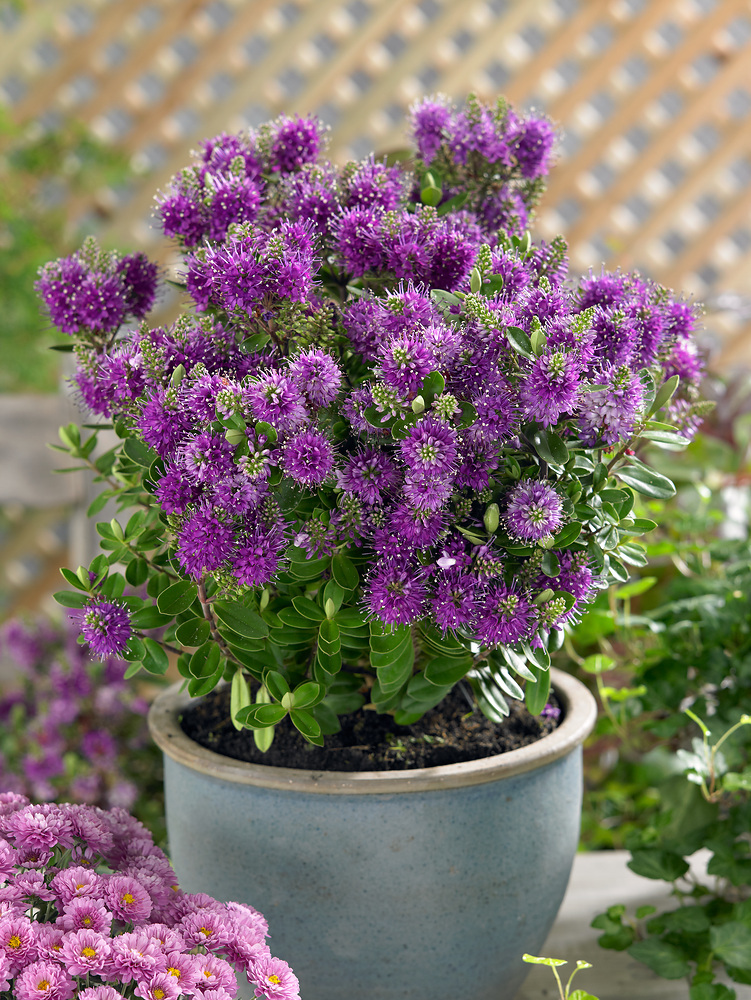
- UK Nursery Grown
- Grow Guarantee
Mixed Hebe Plants for Sale: 4–18 Pack Collection
Veronica, shrubby hebe collection
£29.99 per pack
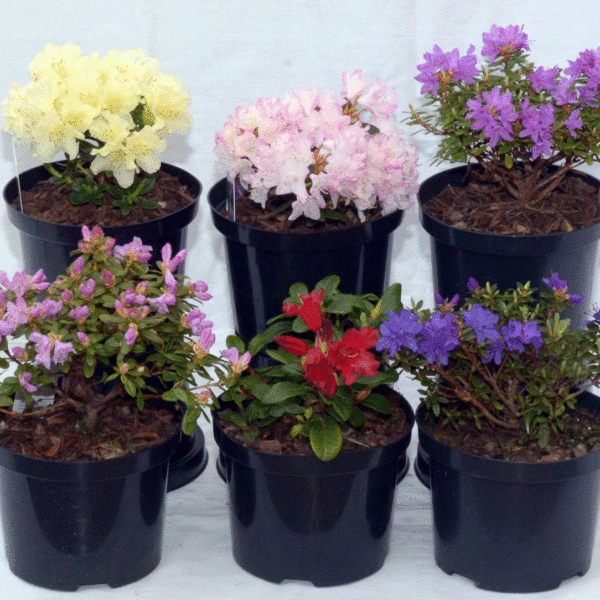
A varied collection of evergreen hebe shrubs with different leaf shapes, flower colours and habits. Plant them together in a sunny, sheltered border or split the pack between pots on a patio. Bees and other pollinators visit the summer flowers, and the foliage keeps its colour all year round.
- Mixed evergreen foliage and forms
- Summer flowers for pollinating insects
- For sheltered borders and patio pots
1. How would you like it supplied?
Grown and sent in a pot, so you can plant it in any month when the soil is not frozen or waterlogged. Ask us a question
Pots, bare root and rootball
- Bare root
- Arrives with bare roots and little soil. Keep them damp and plant while the weather is cool.
- Rootball
- Arrives with soil wrapped around the roots. Lift it by the soil ball rather than the stems and plant as directed.
- Potted
- Comes in a nursery pot. Each option shows the pot size and the height you will receive.
2. Pick your plant
Not sure which shrub to pick?Tell us about your garden and we will help you choose
Position
Sunny, sheltered position
Soil
Well-drained soil
Supplied size
2 litre pot
Ordering
Order from 1 pack
Description
Mixed Hebe Plants for Sale: 4–18 Pack Collection
What are mixed hebe plants?
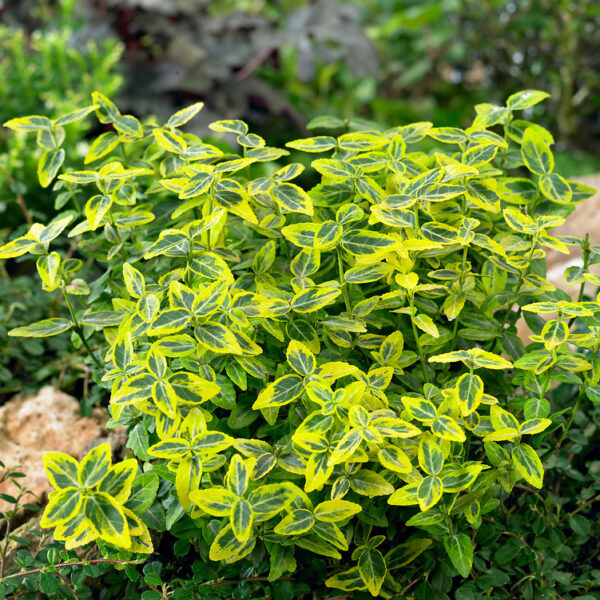
Mixed hebe packs contain evergreen shrubs with a range of leaf shapes, colours and growth habits. Hebes are now classified botanically as Veronica. Some have small, closely packed leaves, while others carry broader foliage and more open branches. Planting several together gives a border a relaxed, varied appearance, with differences in foliage and flowers adding interest throughout the year. They are grown for their neat foliage and spikes of summer flowers, which are popular with bees and butterflies.
Why choose a mixed hebe collection?
A group of mixed hebes works particularly well where a border needs several evergreen shrubs of a similar scale. Depending on the varieties supplied, flowering may begin at different points during summer, with spikes of purple, pink or white appearing among the leaves. Once flowering finishes, the foliage continues to give the planting shape and colour through winter. You can use them to fill gaps in a sunny bed, line a path with low, informal planting, or create a group of pots for a patio or balcony. The different leaf colours and growth habits make the grouping feel informal, particularly when the shrubs are allowed to develop their natural rounded shapes.
How tall and wide do mixed hebes grow?
Hebes vary in eventual size. Most shrubby types in a mixed collection reach between 40cm and 1m tall and wide over several years, though some can grow larger in ideal conditions. The growth rate is moderate, typically 10 to 20cm of new growth per year once established. Give each plant enough room to develop its natural shape without crowding; a spacing of 40 to 50cm apart works well for a loose, informal group in a border.
Where can I use mixed hebe shrubs?
These shrubs suit sunny, sheltered spots. In a small town garden, plant them through a front border where their evergreen leaves give year-round presence and summer flowers add colour. In a family garden, use them to edge a patio or path where children can watch the bees. In a newly planted garden, group the hebes towards the front of a sunny border, leaving enough space for their branches to spread as neighbouring shrubs establish. They also grow well in pots: use one plant per 30 to 40cm container, or group three smaller pots together on a sunny step. Avoid exposed, windy sites and heavy, wet soil.
Choosing a size
Mixed hebes are available as four plants in 2 litre pots, or in 9cm pots with packs of 4, 6, 12 or 18 plants. Choose the 2 litre pots if you want larger plants for individual containers or an established border. The smaller 9cm plants suit repeated planting along paths, larger groups and borders where you can give them time to develop. The varieties supplied can change between packs and seasons, so allow for differences in foliage colour, growth habit and flowering.
Available mixed hebe pack sizes
Pot size | Plants per pack | Suggested use
2 litre pot | 4 plants | Larger specimens for borders or containers; 9cm pot | 4 plants | Small border group; 9cm pot | 6 plants | Informal edging; 9cm pot | 12 plants | Wider border planting; 9cm pot | 18 plants | Longer borders and larger groups
Growing and care
Planting and looking after it
When and how should I plant hebes?
Plant hebes in spring or early summer, once the risk of frost has passed. This gives young plants a full growing season to settle in before winter. Water the pots well before planting. Dig a hole slightly larger than the rootball, set the plant at the same depth it was in the pot, and firm the soil gently around it. In containers, use a pot with drainage holes and a loam-based compost. If you are planting a group in the ground, space the plants 40 to 50cm apart for a full, informal drift.
table_2 title goes here
table_2 headers go here
table_2 rows go here
How much water and feed do hebes need?
Water regularly during the first growing season to help roots establish, especially in dry spells. Check pots every few days in summer; they dry out faster than garden soil. Once established, hebes in the ground rarely need extra water except during prolonged drought. Feed lightly in spring with a general-purpose granular fertiliser, and top up container compost with a slow-release feed each year.
Should you cut back a hebe?
Light pruning keeps hebes tidy and encourages fresh growth. After flowering, snip off the faded flower spikes and trim back any straggly shoots to maintain a balanced shape. Avoid cutting into old, bare wood, because many hebes struggle to regrow from hard pruning. Start shaping plants while they are young rather than waiting until they outgrow their space. A sheltered position also helps protect the foliage from cold, drying winds over winter.
Choose shrubs for the position Compare plant and pack sizes Care for plants after planting
Our planting guideMore growing help: RHS plant and growing guidance
Sizes and prices
Mixed hebes sizes, prices and minimum orders
| Option | Supplied height | Pot or root | Plants | Price | Minimum order | Availability |
|---|---|---|---|---|---|---|
| 2 litre pot | 4 plants | – | 2 litre pot | 4 | £29.99 per pack | None | Available |
| 9cm pot | 4 plants | – | 9cm pot | 4 | £15.99 per pack | None | Unavailable |
| 9cm pot | 6 plants | – | 9cm pot | 6 | £19.99 per pack | None | Unavailable |
| 9cm pot | 12 plants | – | 9cm pot | 12 | £35.99 per pack | None | Unavailable |
| 9cm pot | 18 plants | – | 9cm pot | 18 | £45.99 per pack | None | Unavailable |
Prices are for the option you select. Pack size is the number of plants you receive, and the minimum order is the smallest number we can send.
How sizes and quantities workDelivery
Delivery for your plant order
You will see delivery options and any charge in your basket before you pay.
Your plants are alive when they reach you, so open the box on the day, water if the compost feels dry and stand them somewhere sheltered until planting.
Delivery informationPlant questions
Good to know
Does hebe come back every year?
Yes, hebes are evergreen shrubs that keep their leaves through winter and produce new growth each spring. In very cold winters, some varieties may lose a few leaves or suffer tip damage, but healthy plants in well-drained soil and a sheltered spot usually recover well. Small-leaved types tend to be hardier than large-leaved ones.
Should you cut back a hebe?
Light trimming after flowering is best. Remove spent flower spikes and shorten any wayward shoots to keep the plant compact. Avoid cutting deeply into old, bare stems, as hebes often fail to regrow from hard pruning. Regular light shaping from an early age prevents the plant from becoming leggy and reduces the need for drastic cuts later.
Which hebe varieties are in the mix?
The mix varies between packs and seasons, but you can expect a selection of shrubby evergreen hebes with different leaf colours, sizes and flower shades. Common types include small-leaved grey-green varieties, larger glossy-leaved forms, and those with purple or white flower spikes. The collection is designed to give you a varied group rather than named, labelled cultivars.
Where is the best place to plant hebes?
Hebes grow best in a sunny, sheltered position with well-drained soil. A south- or west-facing border against a wall or fence works well, as it provides warmth and protection from cold winds. Avoid heavy clay that stays wet in winter, and very exposed, windy sites. In colder parts of the UK, growing hebes in pots lets you move them to a sheltered spot or unheated greenhouse during severe weather.
How much ground will a pack of 4 cover?
Four hebes planted in a straight row at 40 to 50cm centres will span roughly 1.2 to 1.5 metres between the first and last plants, with additional coverage as their branches spread. For a fuller group, arrange the shrubs in a staggered pattern and allow enough room for each variety to mature. For larger areas, choose a bigger pack size: 6 plants cover about 2.5 to 3 metres, 12 plants cover 5 to 6 metres, and 18 plants cover 7.5 to 9 metres at the same spacing.
Are hebe plants toxic to pets or people?
Hebes are not known to be toxic to people, cats or dogs. However, as with any garden plant, it is sensible to discourage pets and children from eating the leaves or flowers, and to wash hands after handling.
Ask us about this plant