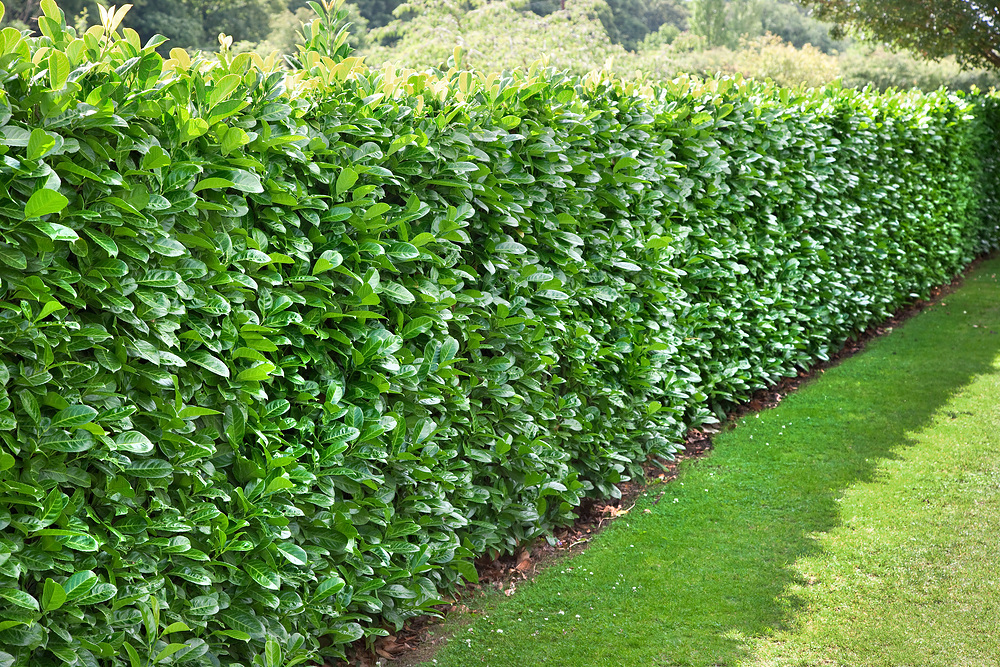
Compare cherry laurel for clients who want a substantial broadleaved evergreen boundary. Check that the site has enough width and that the maintenance plan allows for vigorous growth. Use the listed supplied size when estimating handling and planting work for the order.
View plants and sizesSectors we supply
Hedging for landscapers and contractors
Choosing hedging for landscapers is about matching the right plant to the job and making the order easy to check. Your client may be replacing a garden boundary, completing a commercial scheme or planting several separate runs. The botanical name, supplied size and quantity should be clear before the plants are ordered.
Compare hedge plantsCompare plants for your project
All hedge plantsStart with the site conditions and intended height. Compare the supplied size and minimum quantity before you order.
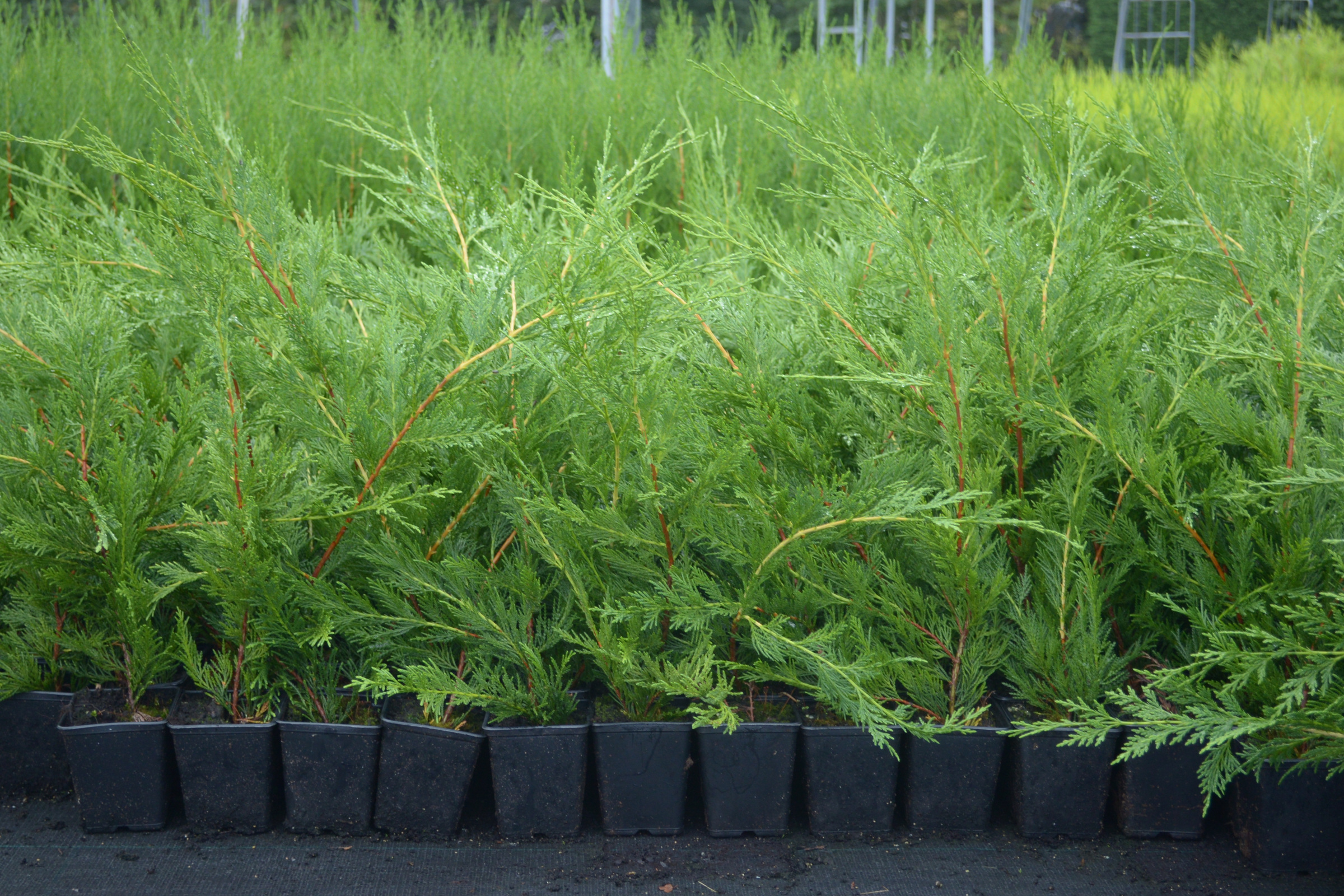
Leylandii can be considered for larger evergreen screens where regular maintenance is practical. Agree the final dimensions with the client before choosing it. It cannot be reduced into bare old wood and expected to refill, so the trimming plan matters from the outset.
View plants and sizes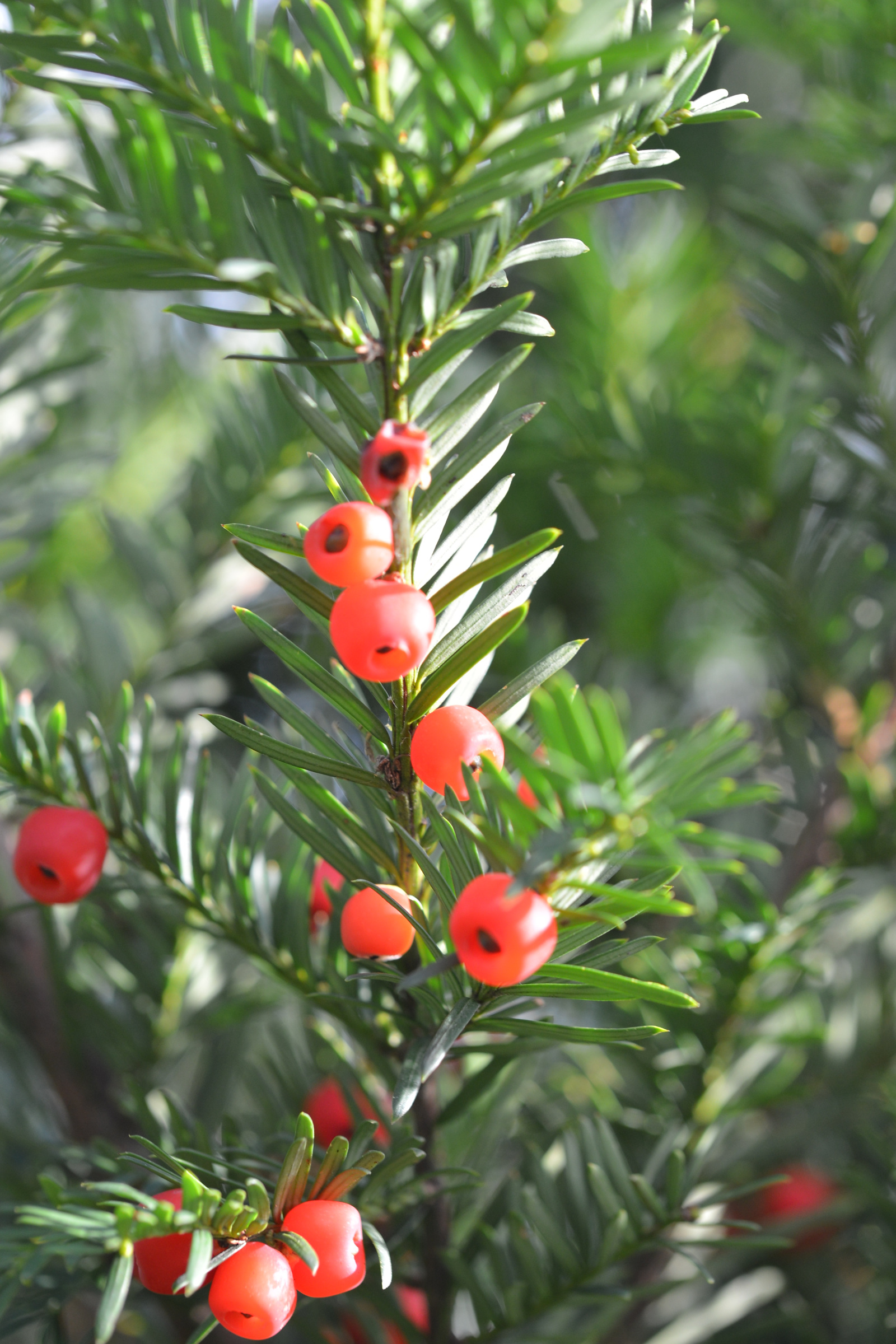
For a clipped evergreen scheme, compare yew with the required specification and soil drainage. The current supplied height is the starting point, not the finished hedge. Assess its toxicity for the site and keep plants and clippings away from grazing animals.
View plants and sizesUse the Plants for Garden range to compare available stock with your schedule. Check the species and size against the prepared planting area, then calculate quantities for each run. For an order that needs discussion, send the complete list and identify which details are fixed by the client or specification.
Turn the planting schedule into a checkable order
Keep one line for each species, size and root format. Include the quantity, the run reference and any required cultivar. A note saying 'laurel hedge' is less useful than a schedule that separates cherry laurel from Portuguese laurel and records the specified height.
Check whether you are buying individual plants or packs. The product price and pack contents should be read together, especially when mixing hedging with shrubs for the same job. Compare minimum order quantities before confirming a small replacement run or splitting a larger scheme into stages.
Compare the supplied plants, not just the headline price
Starting height, pot volume and root format describe different things. A taller plant in a small pot is not the same specification as a shorter plant in a larger container. Read the selected option and supplied dimensions, and pass those details to the person placing the plants on site.
Bare root stock needs handling and planting during its dormant period. Potted plants allow more flexibility, but still need watering and protection from drying out while waiting. Only order a root format that is available on the chosen listing and suits the planned work.
Allow for the ground you will actually plant into
Walk the full line, including awkward corners and the sections hidden behind existing planting. Record changes in soil, shade and available width. Check where access is needed for gates, drains or equipment. These details can change both the species choice and the amount of preparation required.
Agree the planting line and spacing before calculating the final count. On a long boundary, measure sections independently and record the totals. Leave time to clear competing vegetation and investigate drainage problems. Larger stock does not make up for an unsuitable planting strip.
Keep the specification clear from receipt to handover
Set aside a place to check the order against the schedule. Keep labels with the correct batches, particularly when several sizes of the same plant are being used. Record any query before plants are mixed across different runs, and avoid judging a deciduous or seasonal plant solely by foliage shown in a catalogue photograph.
Once planted, give the client a short record of what went where, the intended maintained dimensions and the immediate care required. Agree who checks moisture, weeds and any supports during establishment. A written handover prevents the first dry spell falling between the planting contractor and the next maintenance visit.
Questions about landscapers & contractors
Do you supply hedging for landscaping contractors?
You can buy the listed hedging plants for landscaping projects and compare their current options online. If you need to discuss a plant schedule, send the species, sizes, root formats and quantities. Do not assume an unlisted size or quantity is available without checking.
How do I compare prices for a plant schedule?
Use the price for the selected size and check whether it covers one plant or a pack. Apply the required quantity and any minimum order, then review delivery information before completing the purchase. Keep each specification on a separate line so you can compare the full order accurately.
Can I order plants for several jobs together?
You can build an order from the available listings, checking each product's minimum quantity and pack contents. Keep your own allocation by job so similar plants are not mixed. Confirm that every planting area is ready and that someone will look after any plants waiting on site.
Will a larger plant create a finished hedge straight away?
A larger starting size gives more height at planting, but individual plants still need to establish and grow together. Compare the width and branching as well as height where those details are specified. Explain the expected starting appearance to the client before ordering.