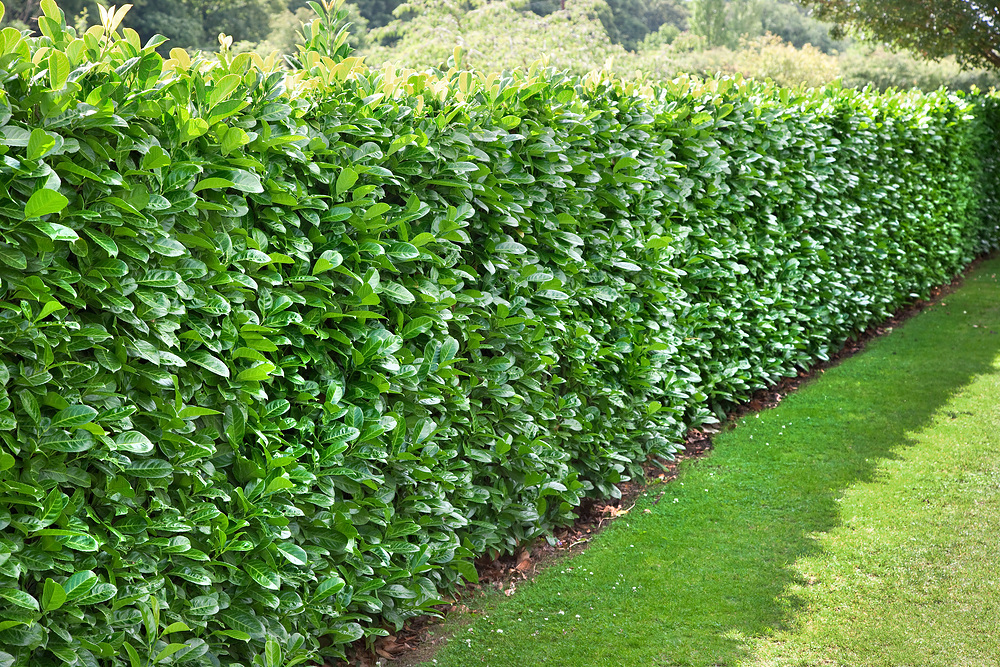
Consider cherry laurel for substantial evergreen boundaries with room for its broad growth. Compare the available starting heights with the specification and allow access for clipping. It is a poor choice for squeezing into a strip that cannot accommodate its maintained width.
View plants and sizesSectors we supply
Hedging for housing developments
Hedging for housing developments needs to work at the scale of an individual garden and across the wider site. A front boundary may need to stay low, while a communal planting strip has a different job. Start with the approved landscape plan and the space available for the finished hedge.
Compare hedge plantsCompare plants for your project
All hedge plantsStart with the site conditions and intended height. Compare the supplied size and minimum quantity before you order.
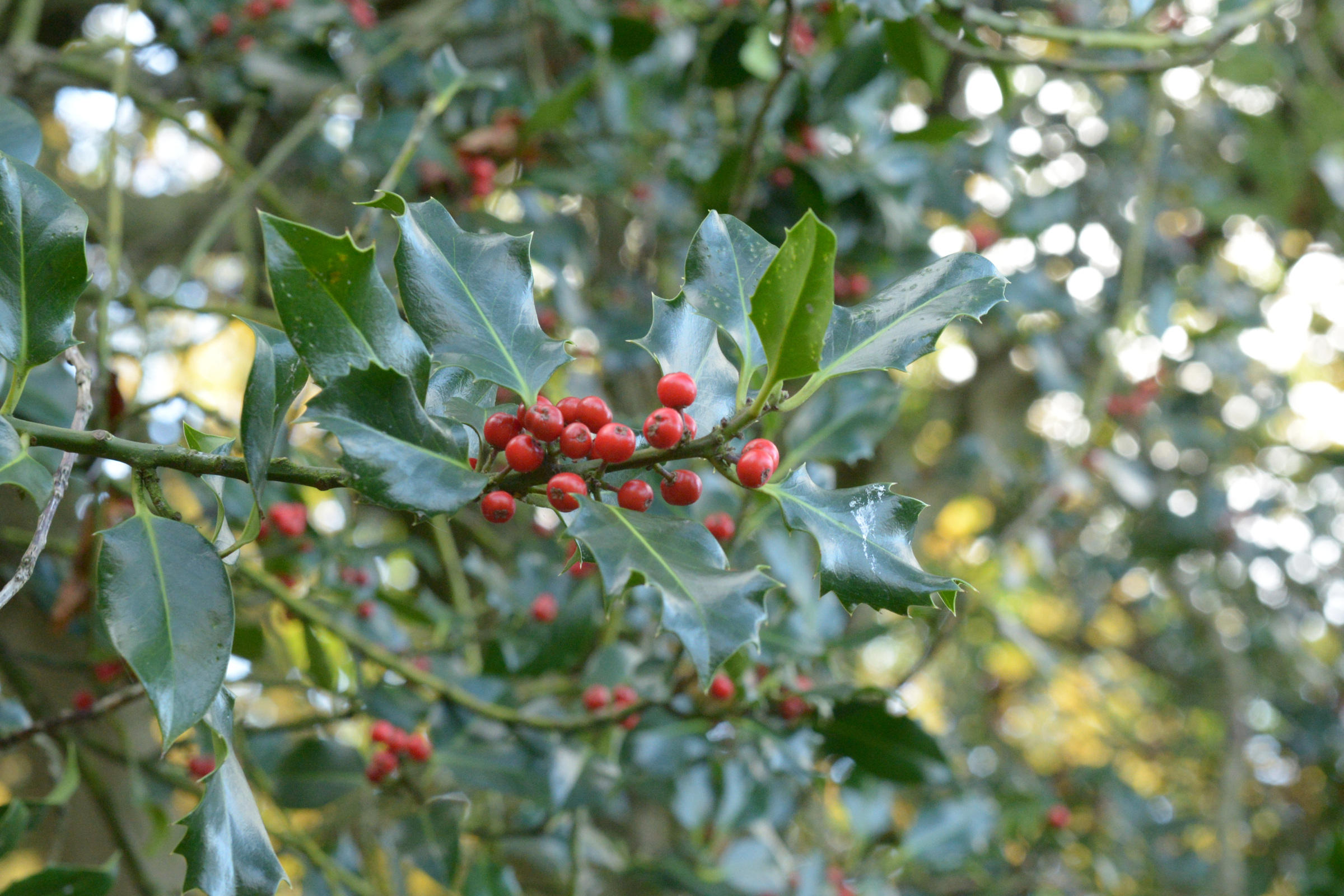
Holly can suit a specification that calls for an evergreen hedge with smaller, spiny leaves. Place it with care beside paths and areas residents will touch. Check the listed plant size and quantity rather than judging the supplied hedge by mature photographs.
View plants and sizes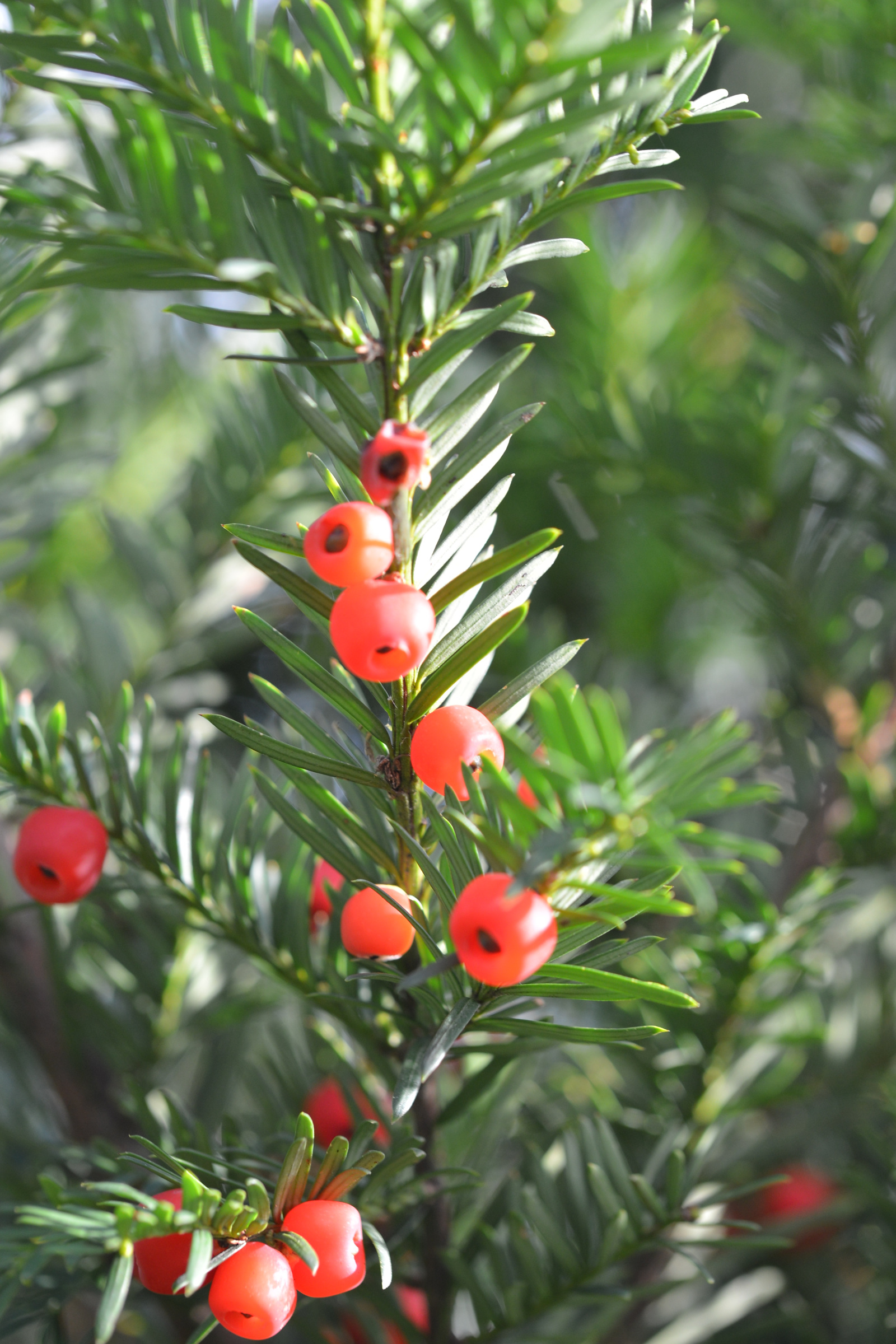
Yew is worth comparing where a clipped evergreen boundary is wanted and the soil drains well. Assess its suitability for the exact location, including access by children or animals. It is toxic if eaten and should not be treated as a universal planting choice.
View plants and sizesCompare the available plants with your landscape schedule, including the botanical name, supplied height, pot size and quantity. Where a specification calls for something different, settle any proposed change with the person responsible for the landscape design before ordering.
Order against the landscape specification
Split the schedule into identifiable runs: plot fronts, rear gardens, shared paths and estate boundaries. Give each run a reference and measure its usable length, excluding access points. The same species may appear in several places with different starting sizes, spacing or intended heights, so a single total can hide important differences.
Check whether the drawing specifies a cultivar, root format or planting density. A plant with a similar common name is not automatically an equivalent. Keep a clear record of agreed substitutions so the order, drawing and planting team are all working from the same information.
Leave space around homes, paths and services
Mark the intended hedge line on the ground before choosing the final quantity. Consider the width it will occupy beside footpaths, parking spaces and garden gates. Keep utility access points identifiable and accessible. Where a hedge separates two plots, decide who will be able to reach each face for trimming.
An evergreen hedge may suit a boundary where foliage is wanted through winter. Cherry laurel has broad leaves and vigorous growth, so it needs adequate room. A narrow planting strip should not be filled with a large species simply because the young plants fit at the time of purchase.
Match each order to a ready planting area
Coordinate purchasing with the stage of the groundworks. Finished levels, soil preparation and access should be settled before plants are placed along the boundary. Check for compacted ground and construction debris in the planting strip, particularly where machinery has been working.
Compare the quantity for each phase with the minimum order shown on the product page. Keep different sizes labelled separately when they arrive on site. If planting is delayed, allocate a suitable holding area and someone to check the plants, rather than leaving that responsibility between contractors.
Write aftercare into the handover
Agree who will water and inspect the hedge between planting, occupation and transfer to the management company or homeowner. New plants need attention during dry weather; a visit that only tidies the grass is not an establishment check. Record any irrigation points and keep access to them clear.
A useful handover includes the species, planting date, intended height and width, and a named contact for maintenance. Photograph the completed runs against their plan references. That makes it easier to identify gaps or later damage and to order the correct replacement size if a section needs attention.
Questions about housing developments
Can one species be used throughout a development?
It may be suitable where the specification and growing conditions allow it, but check each location. A sunny plot front, a shaded communal path and a broad estate boundary can have different space and maintenance requirements. Keep the plant schedule tied to the individual planting areas.
How do we calculate the plant quantity?
Measure each run after deducting entrances and other gaps, then use the spacing agreed for the specified species and size. Multiply the usable length by the number of plants per metre. Treat separate rows separately and check the minimum quantity on the selected product.
Can we substitute another plant or pot size?
Compare the proposed alternative with the full specification, then obtain agreement from whoever controls the landscape plan. Botanical identity, height, root format and planting density all matter. Keep that approval with the order so an apparent saving does not create a different finished scheme.
What should we send with a project enquiry?
Include the planting schedule, required species and sizes, quantities by phase, site postcode and intended planting period. Note any minimum dimensions or root formats that cannot change. If you are still deciding, include the available planting width and the intended finished hedge height.