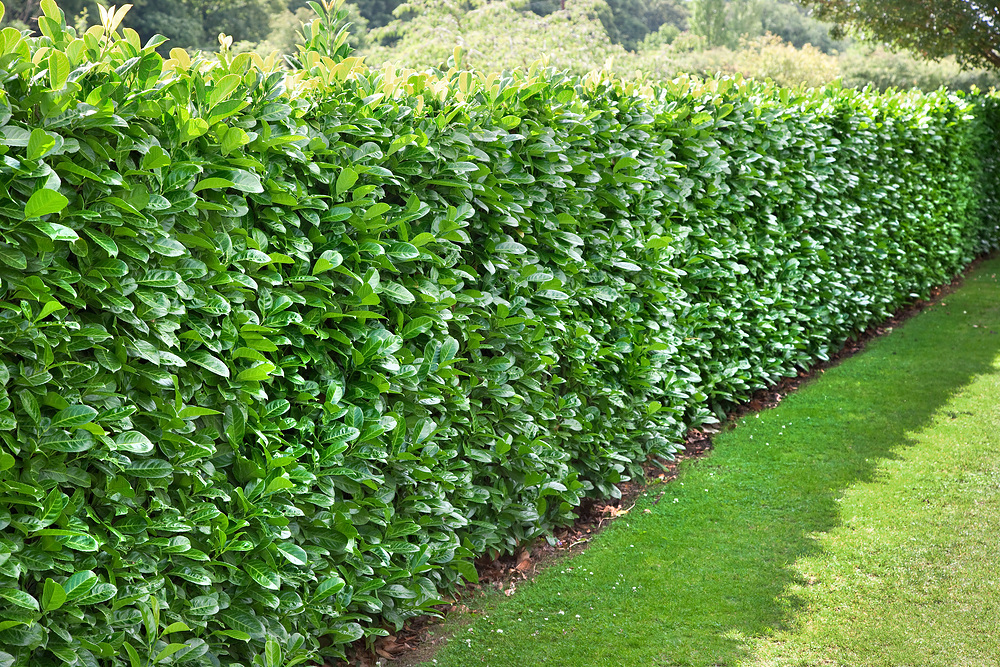
Consider cherry laurel where an evergreen screen is required and the planting strip has room for a broad hedge. Set a manageable finished width before ordering. Its vigorous growth makes access for regular trimming an important part of the specification.
View plants and sizesPlants for premises and grounds
Commercial hedging for your site
Commercial hedging has to work around people, buildings and day-to-day operations. A screen beside a service yard has a different job from a low hedge at a customer entrance. Start with the purpose of each planting area, then choose plants that suit its soil, available width and finished height.
Compare hedge plantsCompare plants for your project
All hedge plantsStart with the site conditions and intended height. Compare the supplied size and minimum quantity before you order.
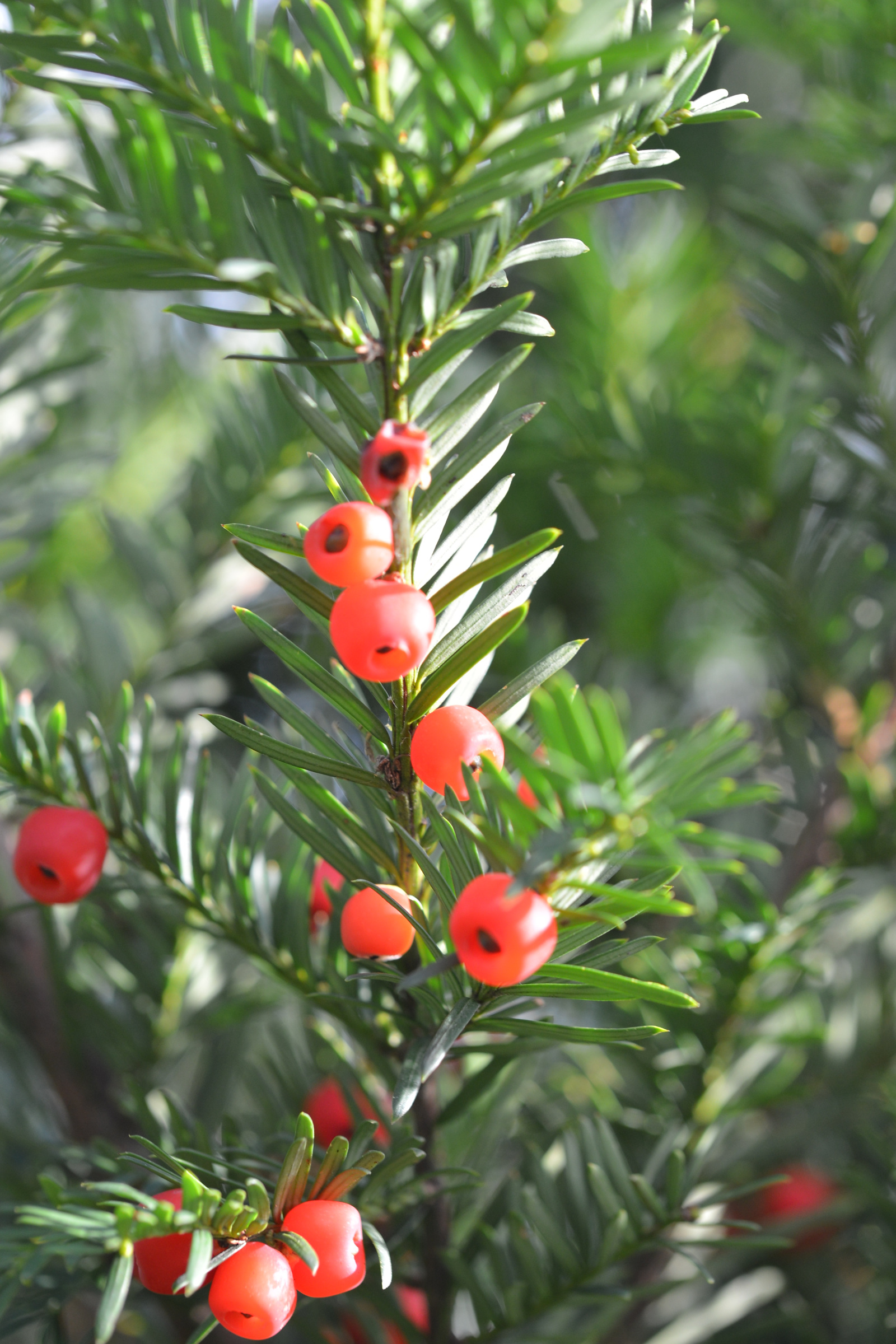
Yew is an option for a defined, clipped boundary on well-drained ground. Compare the available plant sizes with the project timescale. It is toxic if eaten, so the setting and access by people or animals must inform the choice.
View plants and sizes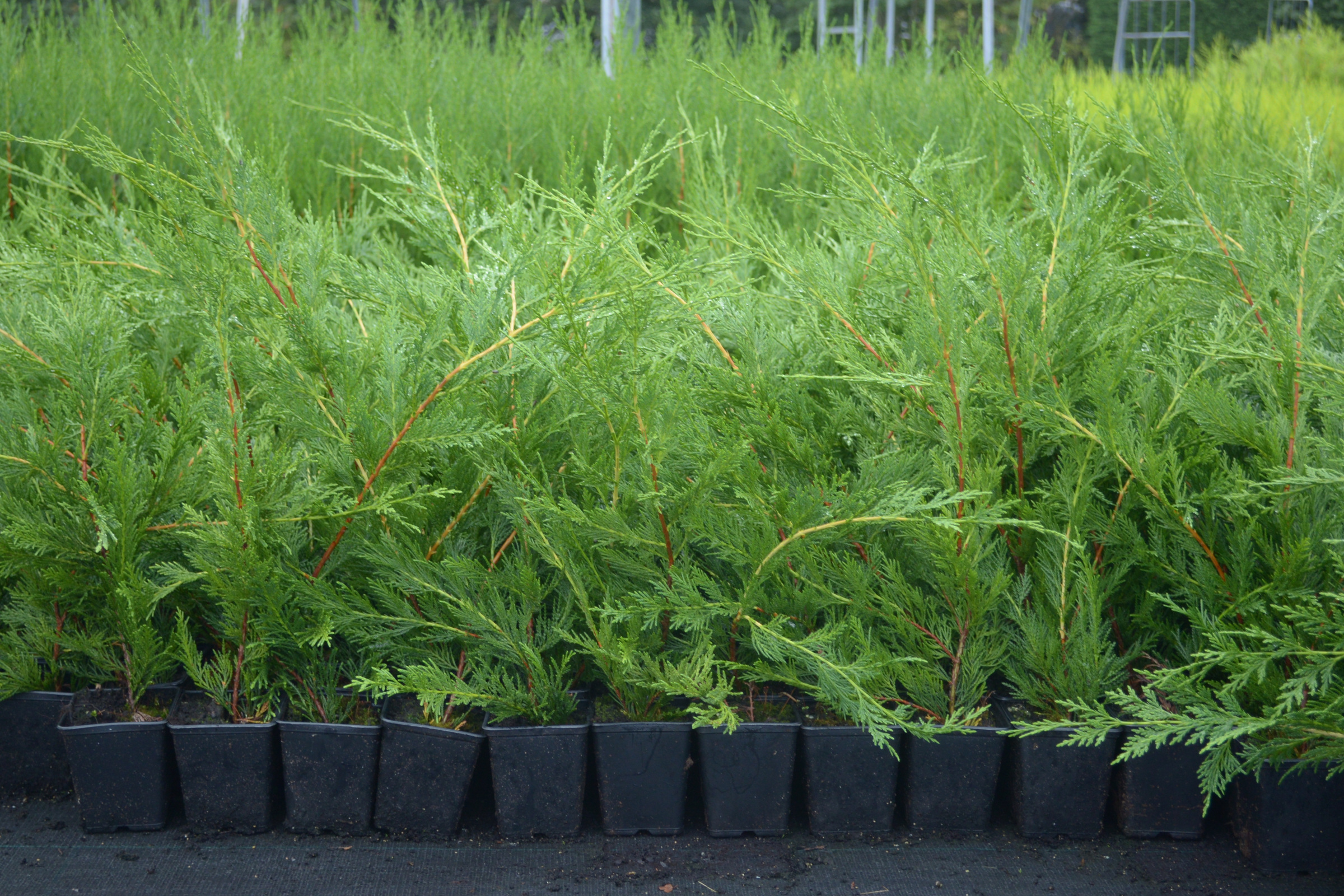
Green leylandii can be considered for a substantial evergreen perimeter where there is room and a reliable maintenance programme. Its fast growth is a reason to plan regular trimming, especially where the hedge borders neighbouring land or a public route.
View plants and sizesFind guidance for your sector
Business premisesPlan hedging for offices, shops and business premises around entrances, staff areas and working boundaries. Compare plants for low frontage planting and taller screens where privacy is needed.SchoolsChoose hedging for school grounds by location and purpose. Plan boundaries, quieter learning areas and planting projects around supervision, clear views, plant hazards and the school’s maintenance arrangements.Listed buildingsPlan hedging for listed buildings and historic gardens with the existing layout in mind. Compare replacement plants, formal boundaries and practical care requirements before agreeing the order.Car parksCompare hedging for car parks with visibility and usable space in mind. Plan low planting near routes, fuller perimeter screens and maintenance access around vehicles, signs and lighting.Housing developmentsPlan hedge planting for new homes, plot boundaries and communal grounds. Compare available plants with the landscape specification, then order the sizes and quantities required for each phase.Landscapers & contractorsFind hedging plants for landscaping projects, with sizes, root formats and minimum quantities set out on each product. Build your order around the planting schedule and prepared site.Hotels & hospitalityChoose hedging for hotel entrances, guest gardens and hospitality grounds. Plan the views, planting width and maintenance access before comparing evergreen plants, starting sizes and the quantities you need.Holiday parks & campsitesPlan hedging for holiday parks, campsites and caravan parks around pitch layouts, shared spaces and maintenance routes. Compare suitable plants while keeping access, visibility and growing space in the plan.Sports grounds & clubsChoose hedging for sports grounds, clubs and golf club boundaries. Plan around playing areas, spectator routes and grounds equipment, then compare plants against the available space and maintenance budget.
Use the sector guides below to narrow your choices. You can compare plants and sizes online, or contact us with your measurements and the planting schedule for your project. Keep any approved landscape specification to hand so that the order matches what has been agreed for the site.
Give each part of the site a clear purpose
Walk the proposed hedge line with a plan of the premises. Mark entrances, loading areas, parking spaces, paths, signs and the views that must remain open. On a larger project, divide the work into lengths with similar conditions. A single plant choice may suit several boundaries, but a narrow entrance bed and a wide perimeter strip rarely need exactly the same treatment.
Write down the height and width you intend to maintain, rather than choosing by the height of the plants in their pots. Allow space for trimming from both sides. Where a hedge adjoins another property, establish the boundary line and agree how maintenance access will work before the plants go in.
Compare the plant with the maintenance plan
Evergreen commercial hedging keeps foliage through the year, which can be useful around storage areas and overlooked boundaries. Cherry laurel offers broad leaves and a substantial screen where there is room to manage its spread. Yew can be considered for a clipped, formal boundary on well-drained ground. Both need a site assessment, including plant hazards where people or animals can reach them.
Fast growth can be useful on an open perimeter, but it also creates trimming work. Leylandii needs regular control and cannot be cut back into old, bare wood with the expectation that it will regrow. Ask who will maintain the hedge, what equipment they can use and how often they can attend. These answers should influence the plant choice as much as the initial budget.
Turn the plan into an accurate plant order
Measure the actual planting lengths, leaving out gates and permanent openings. Calculate quantities using the spacing agreed for the chosen species, stock size and intended hedge. For example, a 20 metre run at two plants per metre needs 40 plants. That calculation illustrates the method; it is not a spacing recommendation for every hedge.
Check the supplied height, pot or root type, pack size and any minimum quantity on each product. A pack of plants and a single plant are different ordering units. For phased work, keep a separate schedule for each area so you can check the number of plants against the drawing without having to reconstruct the whole order.
Arrange aftercare before planting starts
Name the person responsible for watering and inspection, including weekends, holidays and changes of contractor. Make sure they can reach a water supply and the full planting strip. Bare soil beside new hard landscaping may need more preparation than it appears to from the surface, so investigate compaction and drainage before ordering.
Keep a record of the species, sizes and quantities used in each area. Add the planting date and the care instructions to the grounds maintenance file. Photographs taken at planting are useful for later comparisons, particularly if different teams are responsible for buying, planting and looking after the hedge.
Questions about commercial hedging
What is the best hedge for a commercial property?
There is no single best plant for every commercial site. Start with the required screen height, available width, soil and maintenance access. Use the sector pages to compare the needs of your setting, then check individual plant details before deciding.
How many hedging plants do I need for a large site?
Break the scheme into measured runs and apply the agreed spacing to each one. Deduct openings and check whether each listing is priced per plant or per pack. Keep the calculations with the landscape plan so that changes to one area are easy to track.
Can I choose a fast-growing hedge to reduce the starting cost?
You can compare smaller plants with larger stock, but include watering, weed control and future trimming in the decision. A fast-growing species still needs time to establish. It may be a poor fit where the maintenance team cannot keep its eventual height and width under control.
What should I send when asking about a project?
Send the site postcode, planting lengths, desired finished height and width, soil or drainage information and any specified species. Include the sizes and quantities on an existing planting schedule. Clear photographs of the ground and nearby access points can help explain the setting.